Today's Open/Close Times based on tide predictions

DateClub TimelineSunsetLow Tide
Thu Aug 27 Noon to 7:15 PM7:45 PM2.2 @ 6:08 PM

red means the Club will be closed. Note that current low tides are around 0.2 feet higher than predictions.

Day Leader's WhiteBoard

Whiteboard

Unless whiteboard shows today's date, there is no Day Leader or they haven't signed in yet.

All things that are not categorized anywhere else (catchall category).

CSC partners with the Rose Foundation to promote sustainable sailing in the Bay

Last summer, the Third Vice-Commodores at the Cal Sailing Club identified an ambitious goal: to replace a gasoline motor with an electric one on one of the keelboats in our fleet. We at the Club enjoy sailing on the San Francisco Bay and want to protect the Bay’s watershed and wildlife for future generations to come.

In November of last year, a group of volunteers at the Club came together to write a grant to the California Watershed Protection Fund at the Rose Foundation. One month later, the club received the good news that it had been awarded $6,000 to achieve that goal. This grant brought the CSC one step closer to its long-term objective of turning its entire keelboat fleet greener one boat at a time.

While we had planned to acquire the motor by January 2026, we discovered that the price of the one we needed was $8,800, nearly $3,000 more than the grant we had received from the Rose Foundation.  So, we pursued and eventually secured this additional funding to bring us closer to the total and were able to draw from our budget to cover the rest. 

On May 15, 2026, Ryan Alder and another volunteer started working to install the new ePropulsion Navy Evo 3.0 with an E163 battery, roughly equivalent to the Club’s existing gasoline outboard motors.  They managed to get the motor mounted and hooked up to the battery and verify everything was working, yet the battery didn't quite fit, so they had to go back to the drawing board on how to mount it.

On June 28, 2026, after some more work and adjustments, our keelboat Meritorious was up and running and ready to join the fleet, offering free rides to the general public during the Club’s celebration of Pride 2026. That day alone, Timmo, the boat’s captain, along with his crew, gave nearly 20 rides to 80 total people, proud not only to be celebrating Pride, but also to know that they were the greener (and actually most yellow) keelboat in the fleet.

Continue reading
  299 Hits

Joining the wind gods at Sherman Island

On Saturday 8/8/26 Christine P. organized again an incredible windsurfing trip to Sherman. The 12 of us had a blast and helped each other with the logistics, (de-)rigging and teaching.  We had one board for each in a U-haul together with one or two sails for each.  Our reliable Clubmember Gerrick picked up the van and drove it together with Ryan to Sherman Island.  We all parked at 1 pm at the Sherman beach spot to unload and start rigging after a quick gettogether.  Some seniors joined and we got on the water an hour a half before the beloved Ebbing tide just to practice or teach beachstart in play pen area.  A lot of people stayed late 'till after 6pm just to get the most of the good winds ( above 18 knots), warm water and beautiful scenery.  The next few days we all felt it in our muscles and bones, but made some nice CSC memories.

  198 Hits

Volunteer Spotlight: David Fawcett

DSCF3824

Sailing has been a lifelong love of volunteer, long-time member and day-leader David Fawcett. Growing up in the state of Virginia, his father first introduced him to dinghy sailing at the age of six. To say sailing runs in his blood would be an understatement.

Influenced by his father who was an avid sailor and racer with a background in naval architect marine engineering from MIT, David began taking lessons and eventually learned to race on a tributary of the James River. At age ten, his father had acquired a fleet of boats in Virginia that they raced in the Winter when the wind was most prevalent. David poetically refers to them as the “frostbite races”.

It would be several more years, including a move to Jacksonville Floridia, before David would eventually land in California. “When I first came out here to go to graduate school, I was sailing with people on keel boats over in the marinas, before you had apps and smartphones. You’d put up a card over near the J-dock bathrooms and someone would call you and you’d go out”. He’d spend time meeting other like minded people and racing just for fun, though eventually his focus shifted away from the water and to other sports and activities like biking and backpacking. 

Around 2012, he wanted to get back on the water and continue his education in sailing. He considered returning to the J-dock postings to find more keel boat mates and as he was driving around the Berkeley Marina one day, he spotted a cluster of masts from the road. Following his instincts, those tall masts led him to the CSC clubhouse, where he eventually joined as a member in 2013. “It took a while to get back into it… I had to get into physical shape too”.

Over the next year and half, David diligently worked his way up through the dinghy ratings, eventually obtaining a senior rating which allowed him to begin training on the keelboats. “I went out every single day after work and then tested and finally got the senior.” Within six months of passing the keelboat rating test on both a Commander and a Merit, David received his cruising rating which had been his long-term goal.

Continue reading
  1213 Hits

Windsurfing for Zaire

My head popped out from the murky green Bay water, my toes digging into the slimy, muddy muck below. I spotted my board a few feet from me, the sail bobbing in the water. Time to climb back on. Again. 


You spend a lot of time in the water as a novice windsurfer. This can be pretty frustrating. The whole point is to be on the water, gliding across it, not in the water, spitting it out.


It was my third day ever windsurfing, and it was beautiful and sunny. I was looking to see some progress, but I was still flailing, pretty much. The sail was still getting ripped out of my hand by the wind, or I’d attempt to turn with a tack or jibe and either fall in backward, or the sail would whip around a little faster than expected and knock me into the water.  

Continue reading
  7168 Hits

Sailing Pedagogy: A Community Collaboration

Six boats in process of being de-rigged, at dock.


The first evening of CSC’s first-ever Women’s Fast Track was welcomed by gusts of 27 kts, bow-crushing waves, and clouds that crawled through the sky. Sixteen beginner students launched boats alongside 8 prepared instructors, and did what CSC does best: learn in gnarly conditions. I remember feeling a bit nervous watching from the shore, seeing boats tip over and right themselves, tense on my toes but cheering as tacks and gybes were made in really challenging conditions. Everyone came back with huge grins on their faces, with sea water-soaked hair, and a well-earned confidence in their abilities. The waves had been conquered. The wind hadn’t stilled anyone’s enthusiasm, and everyone showed up the next day, excited to teach and learn. 

There had been a lot of preparation for this particular fast track. Everyone wanted it to go well, especially us organizers. To get ready for it and to recruit women instructors, Aradhna, Alyssa and I hosted an informal round-table where woman-identified sailors at CSC could share their experiences, challenges, and successes around teaching. One common theme came up: junior women sailors were eager to teach, but wanted additional support for how to teach before they went out on a boat with students. During that round table, more experienced instructors shared insights that helped others feel equipped with additional tools for teaching newer sailors. I came around from the round table with a better idea of the type of support we might need to make sure that every teacher at the inaugural women’s fast track felt confident, supported and prepared. 

The first “teach along” was piloted the week before the Women’s Fast Track (W-FT). Because of the need to fill out a roster of women instructors, I recruited women juniors to fill a “student instructor” role. Then I found a subset of more experienced instructors for an “instructor trainer” role. For an additional pedagogical twist, I recruited novice students who the “instructor trainer” could teach, under the observation of the “student instructor.” This created an experiential, on-the-water learning environment for all three people on the boat: a student instructor, an instructor trainer, and a novice student. The instructor trainer could demonstrate instructional techniques to the novice student while the student instructor observed, asked questions and then practiced under additional guidance. We focused the first Teach Along on small circle maneuvers. John Bongiovanni led a land talk before eight boats launched from the docks, in sunny and clear conditions.

After the Teach Along, all participants shared that they felt more prepared – and more excited! – to teach at the W-FT. For every night of the W-FT, we had more than enough volunteer women instructors, likely due to both the support and the community building surrounding the first Teach Along pilot. After talking to many of the instructor trainers, they also commented that they enjoyed mentoring other instructors. It allowed them to think through how they teach, and they appreciated the questions from their mentees. I can also say that many of the novices that participated are still happily sailing at CSC, and will hopefully volunteer to instruct as they continue to progress in their sailing journey. 

Like most things at CSC, new programs happen due to community collaboration. While the first Teach Along was designed to specifically recruit and support newer instructors who wanted extra support before teaching at the W-FT, it was built upon lessons learned during the previous Fast Track, FT-3. Matteson, one of the co-coordinators, identified a similar issue to the one raised during the women’s instructor roundtable: newly-minted juniors that had just passed their rating test were told that they could now teach, but they needed a bit of support, confidence and coaching. He paired them with senior instructors who could give them support to try out instructing for the first time, while still providing other fast track students with a lesson supervised by a more experienced instructor. Many of the newly minted junior women instructors from FT-3 volunteered to teach at the W-FT less than a month later, putting their new junior rating and extra instructional support to immediate use.

Continue reading
  5832 Hits

Ranging - Part 5

myth
Misconception 0
Misconception 1
Misconception 2
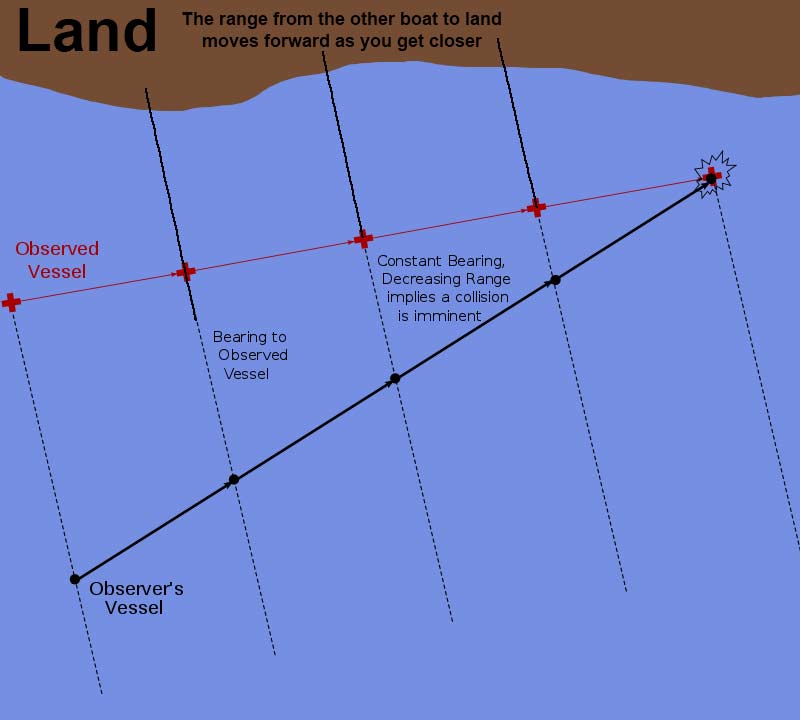
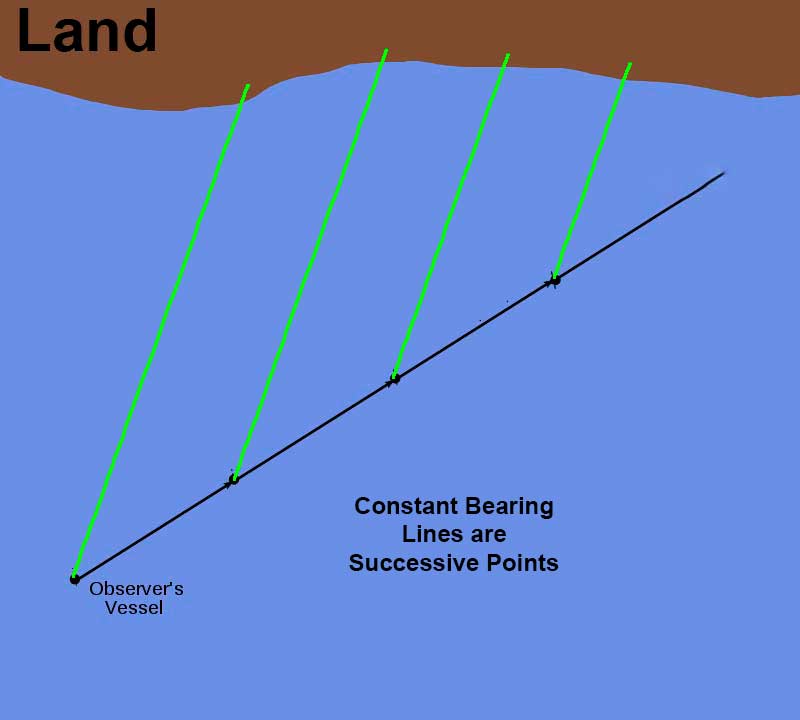
Constant Bearings

What is Ranging?

Ranging is a technique useful in all types of boating to determine whether you are sailing a straight course over ground or are being pushed one way or another (by leeway or current). It is also useful to tell you whether your current course will allow you to clear an object (get through the gap in the Berkeley Pier, say).

The basics are described in Part 1, which describes how to use it crossing a channel with current to maintain a straight course across. Part 2 shows ranging to determine whether you can clear an object, Part 3 shows how to use it to determine your position in certain cases. anmd Part 4 uses a variant to tell you whether you are on a collision course with another boat.

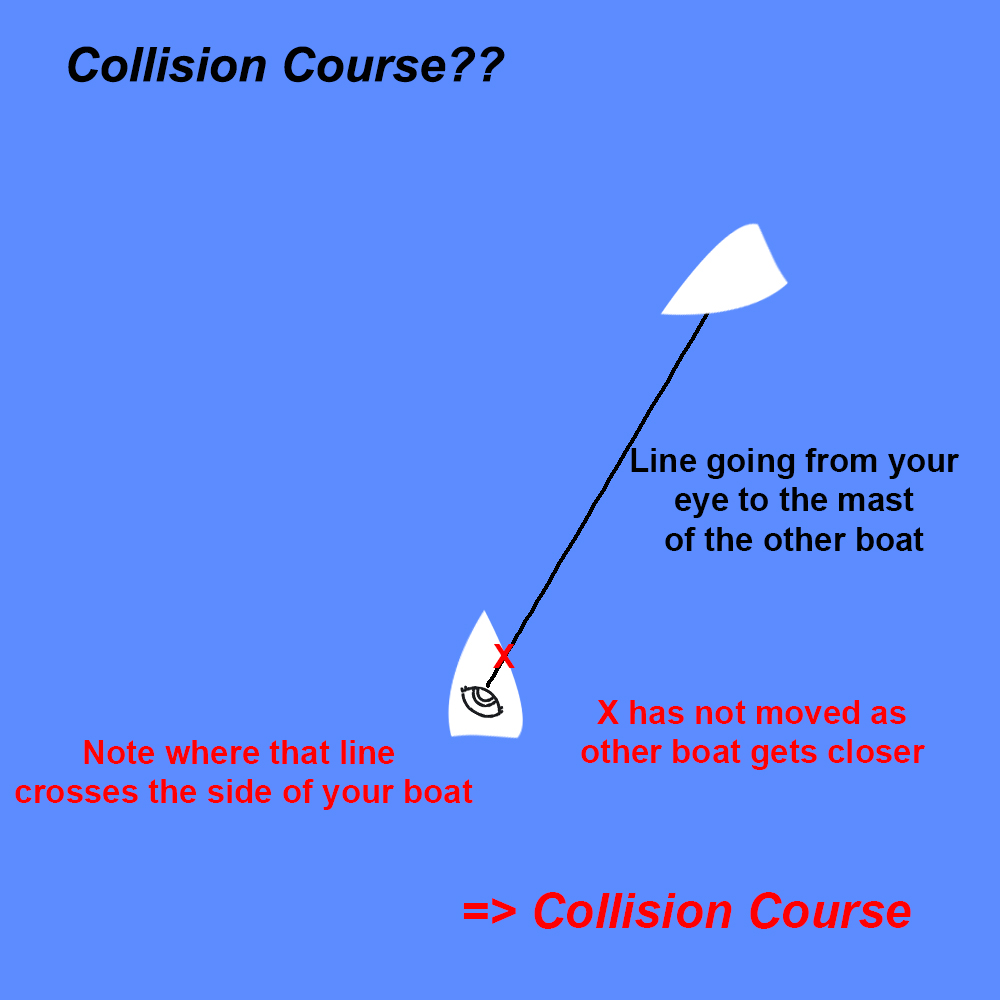
This time I will be controversial and show you why a technique sometimes taught at the Club to determine collision courses using a sort of ranging does not work.

What We Learned Last Time

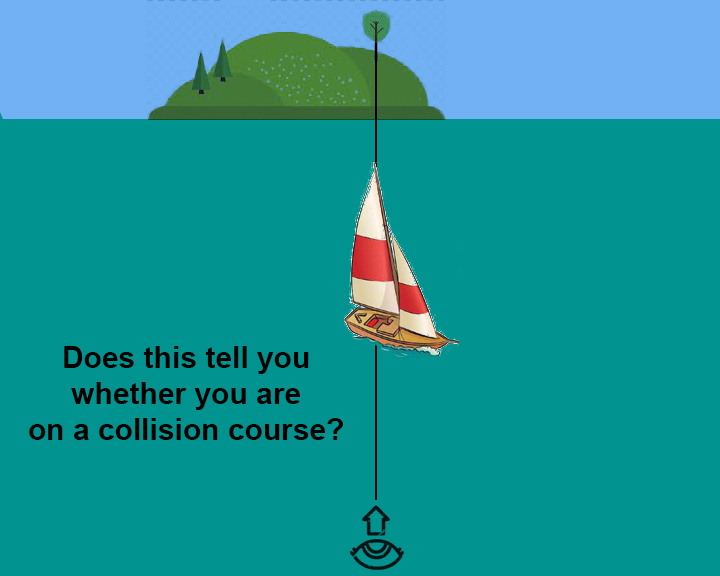
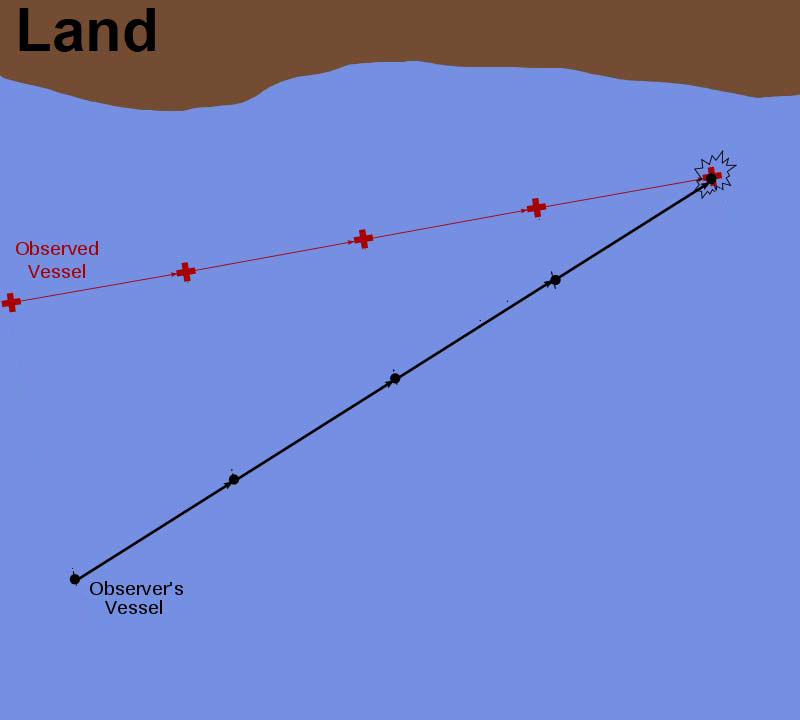
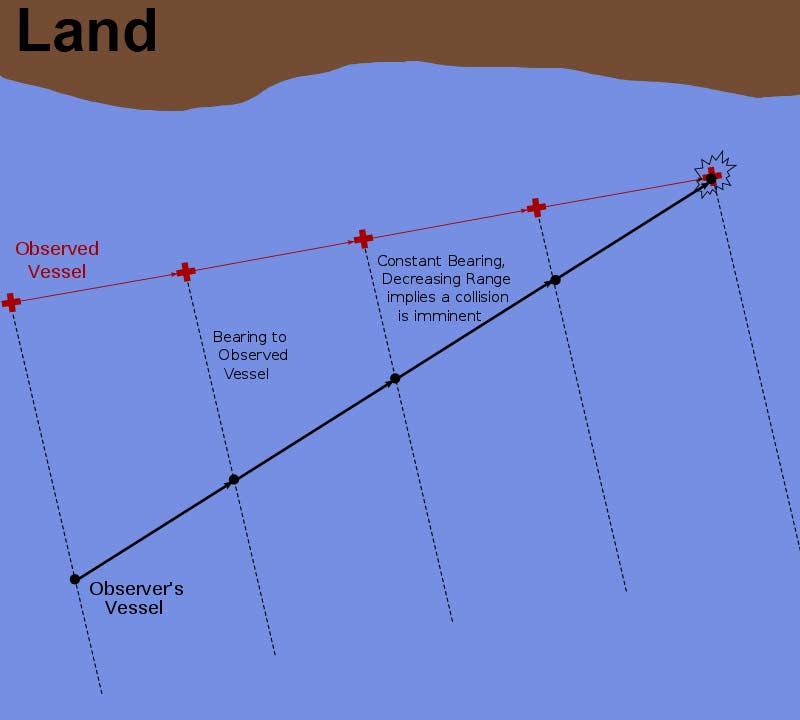
You and another boat are on a steady course. If the bearing to the other boat does not change as it gets closer, you are on a collision cours. Otherwise not. This is how radar works.

Not only that, the Navigataion Rules require that you use this method. I’ll reference Rule 7 – Risk of Collision (Inland)

Continue reading
  6885 Hits

Ranging - Part 1

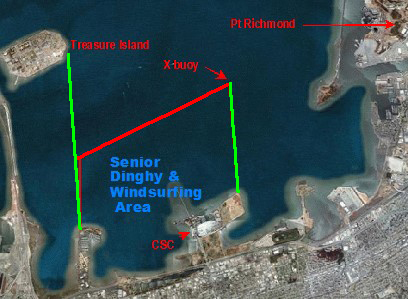
Senior Dinghy Area
Crossing Current
Crossing Current Pointing at Target
Crossing Current Crabbing
Crossing Current Ranging On Target
Crossing Current Boat to Right of Course
Crossing Current Boat to Left of Course

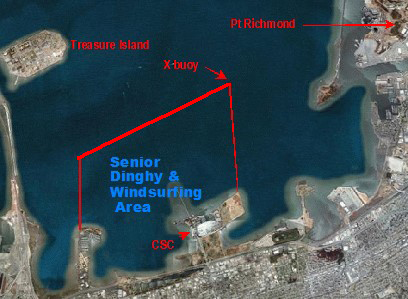
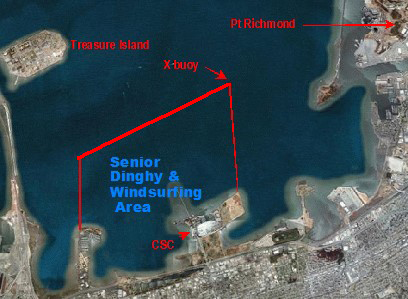
This is the first in a series of blogs about ranging, a powerful yet simple technique that you can use in all kinds of sailing situations. This was prompted by sailing with another Senior in the Senior Area, and his asking “so where exactly is the west boundary of the Senior area”. Here’s the map.

But how do you know where you are relative to that when you’re on the water?

I’ll answer that question, but first I’ll discuss what ranging is and give a simple example of its use.
What is Ranging?

Ranging is a technique useful in all types of boating to determine whether you are sailing a straight course over ground or are being pushed one way or another (by leeway, current, or whatever). It is also useful to tell you whether your current course will allow you to clear an object (get through the gap in the Berkeley Pier, say). I've used it a lot in kayaking. You can also use it in a more complicated way to see if you are on a given line (like the Senior Area west boundary). And, contrary to popular belief, you cannot use it accurately to determine whether you’re on a collision corse with another vessel. More on that later.

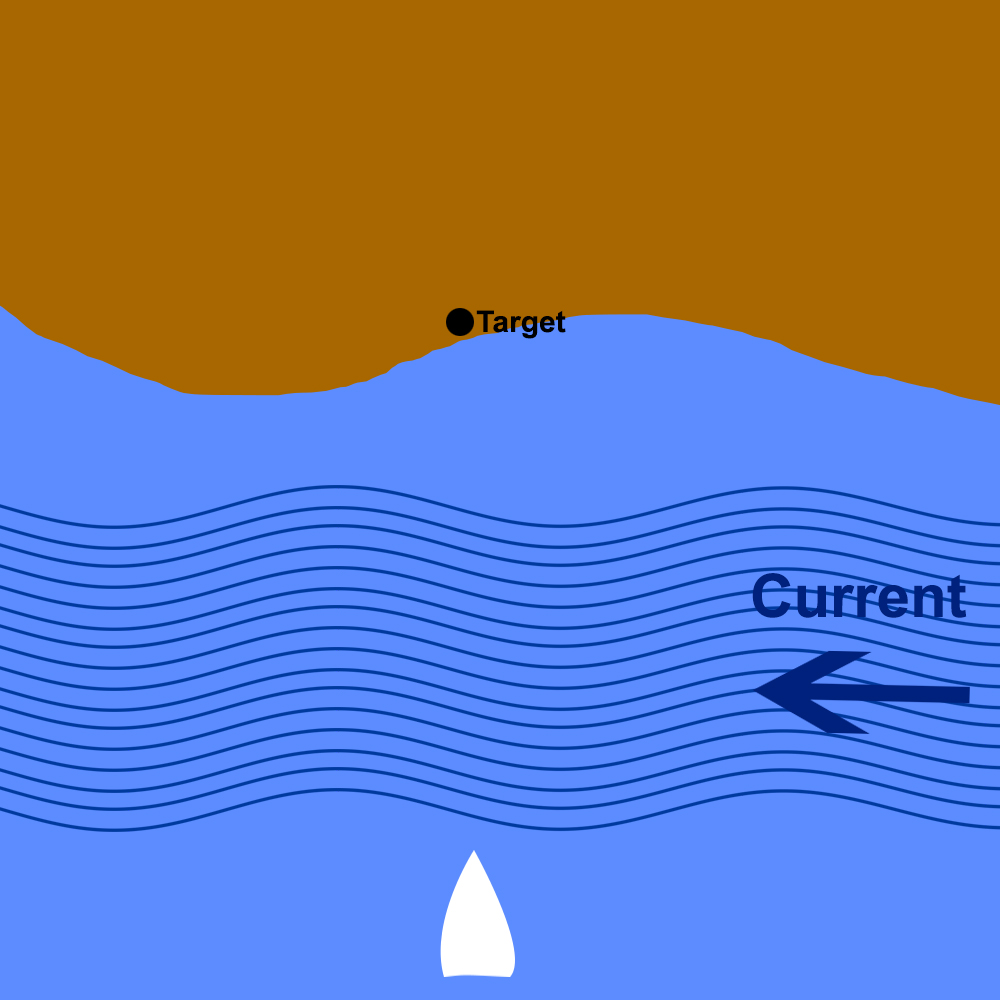
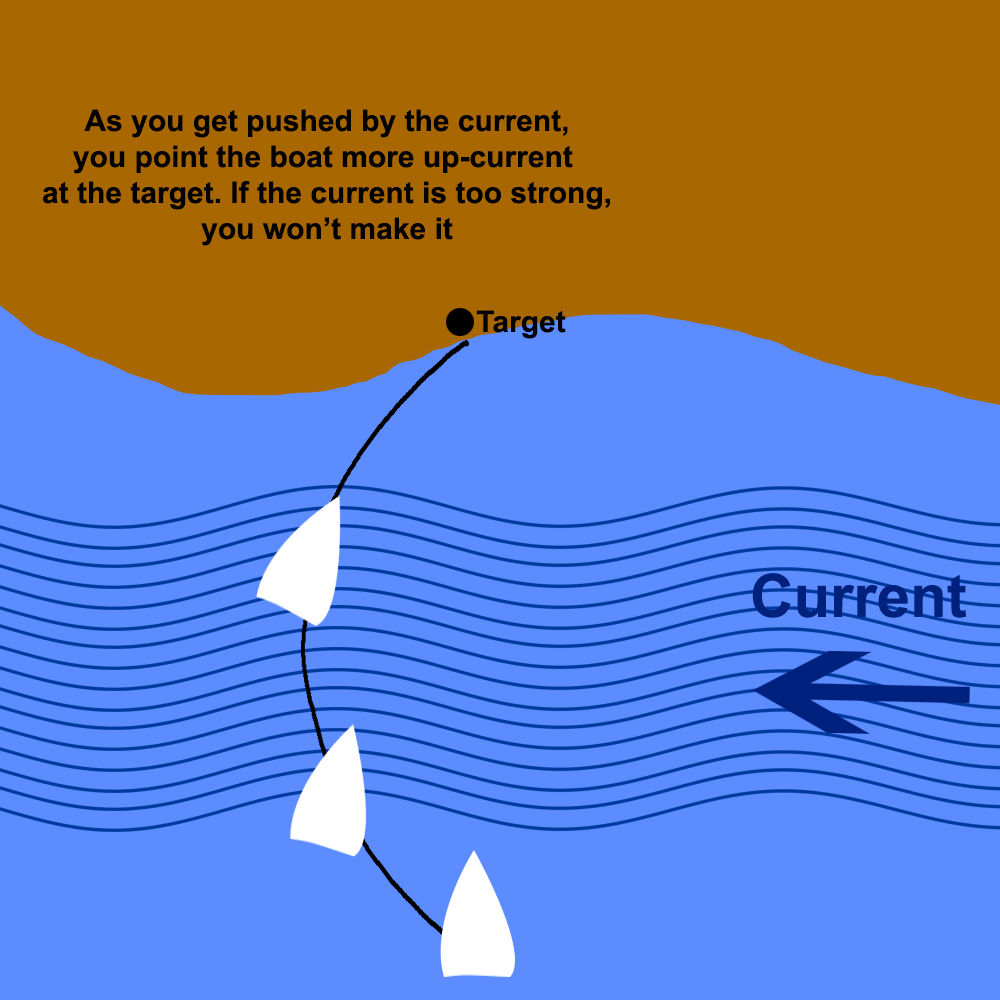
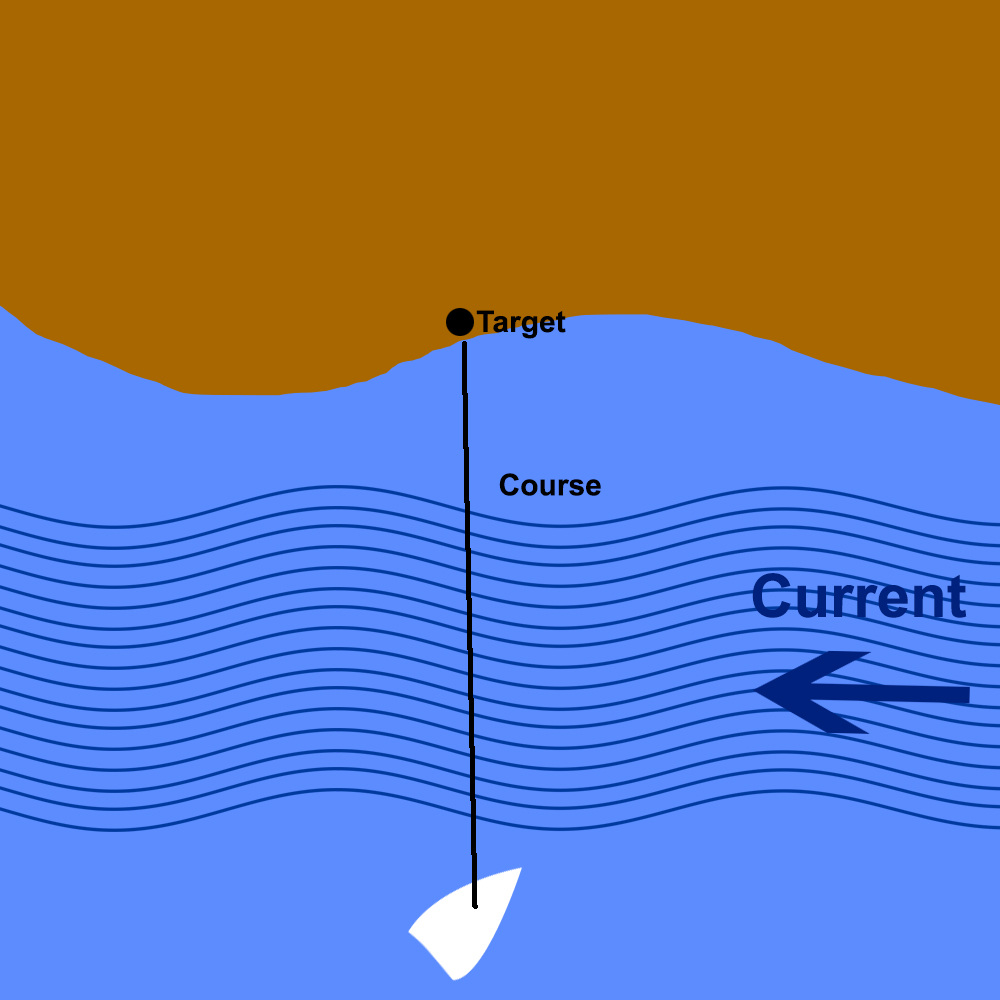
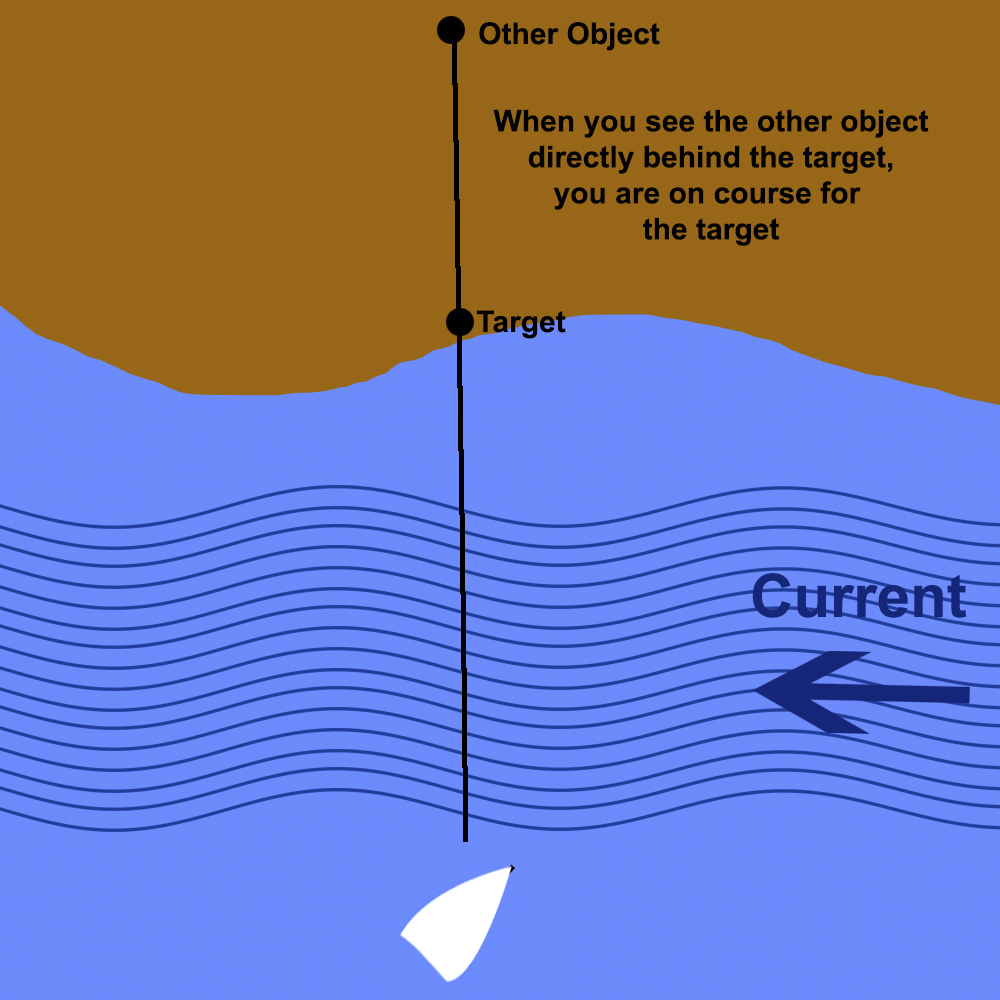
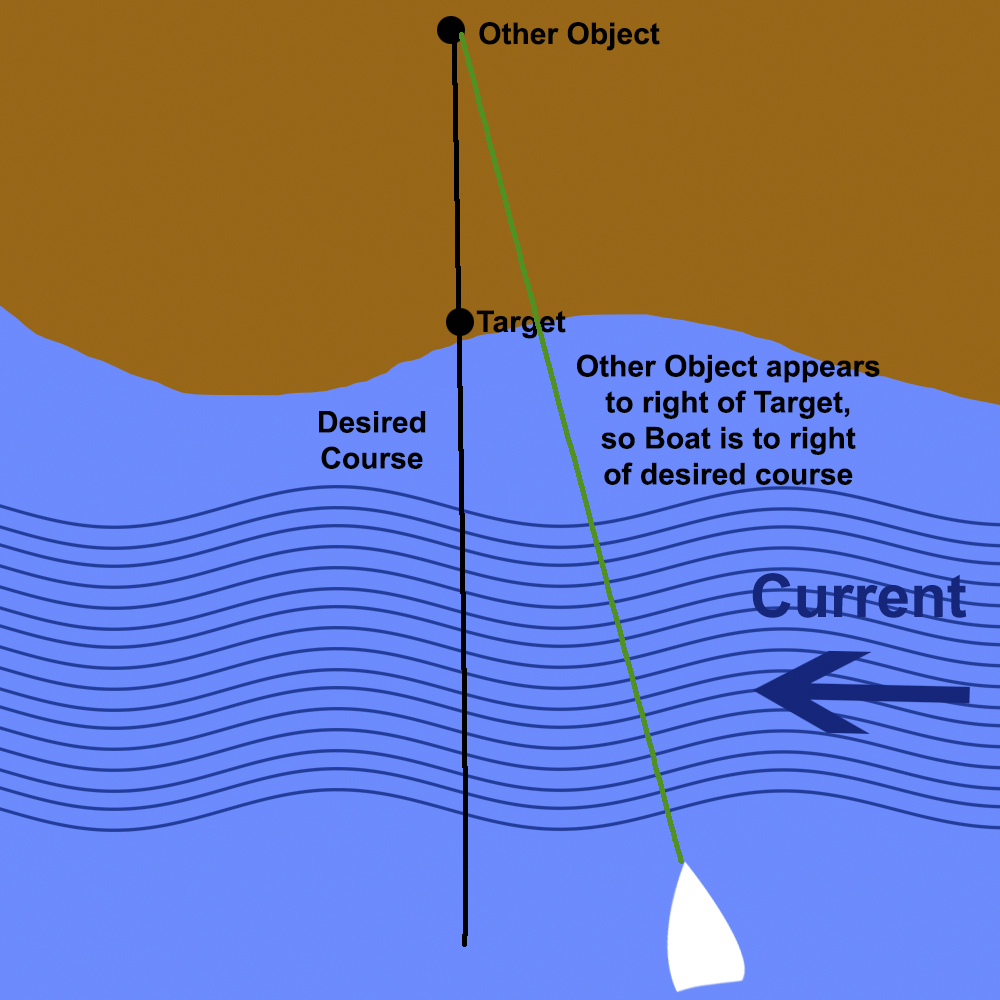
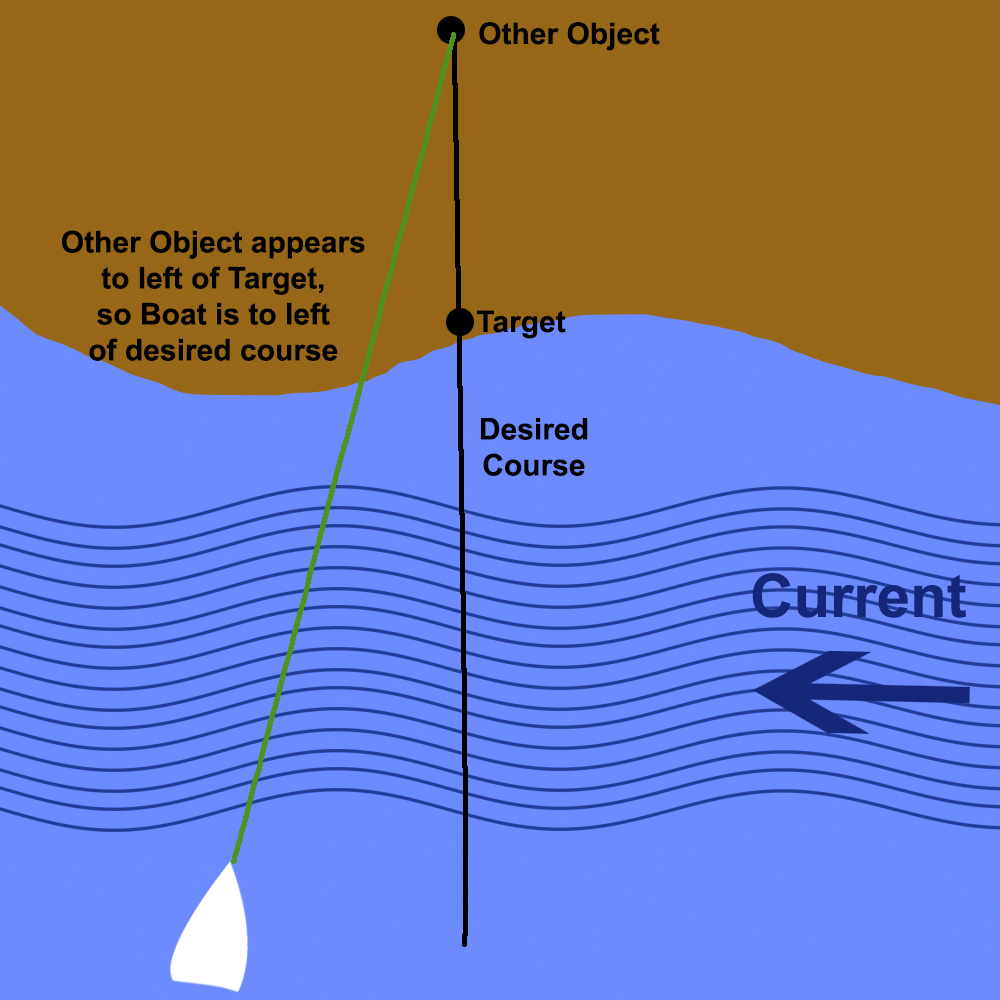
The easiest example of using ranging is crossing a channel with current pushing you sideways, say going to Angel Island from Berkeley. You want to to across the current to a target location.

Continue reading
  4614 Hits

Ranging - Part 2

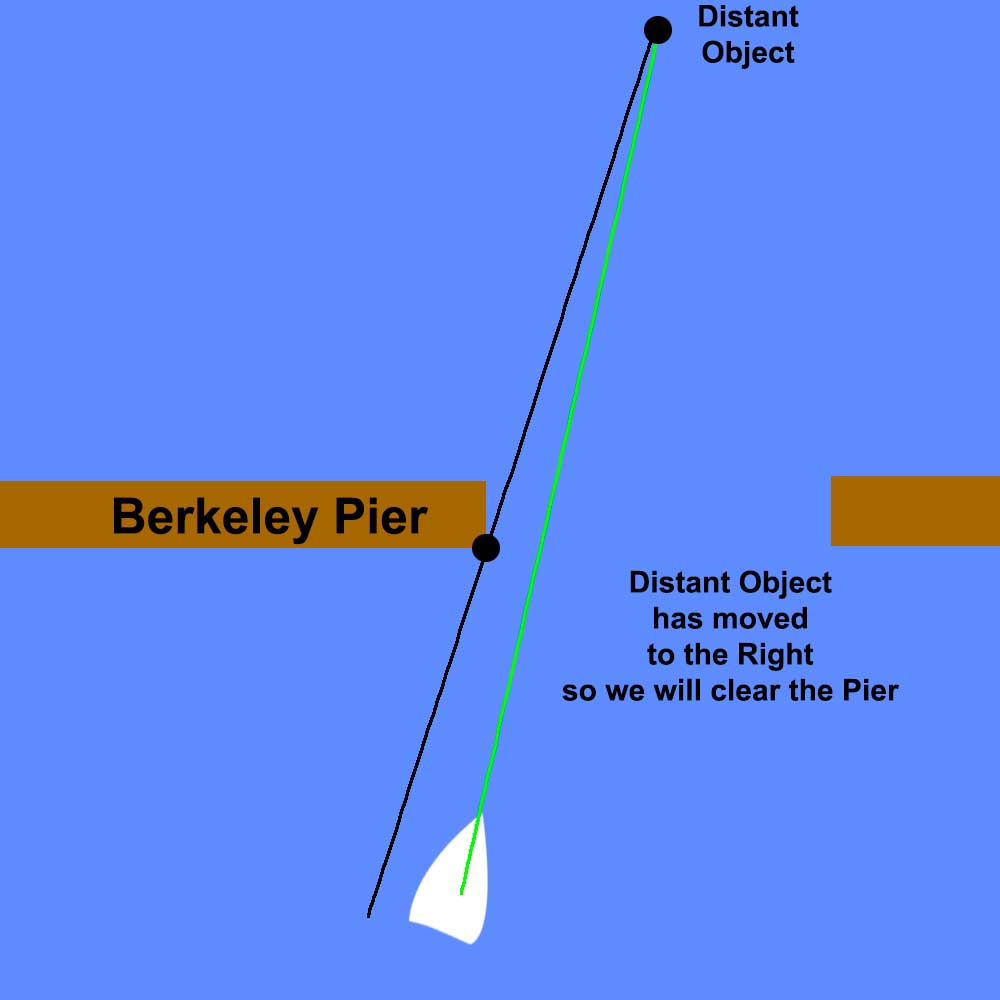
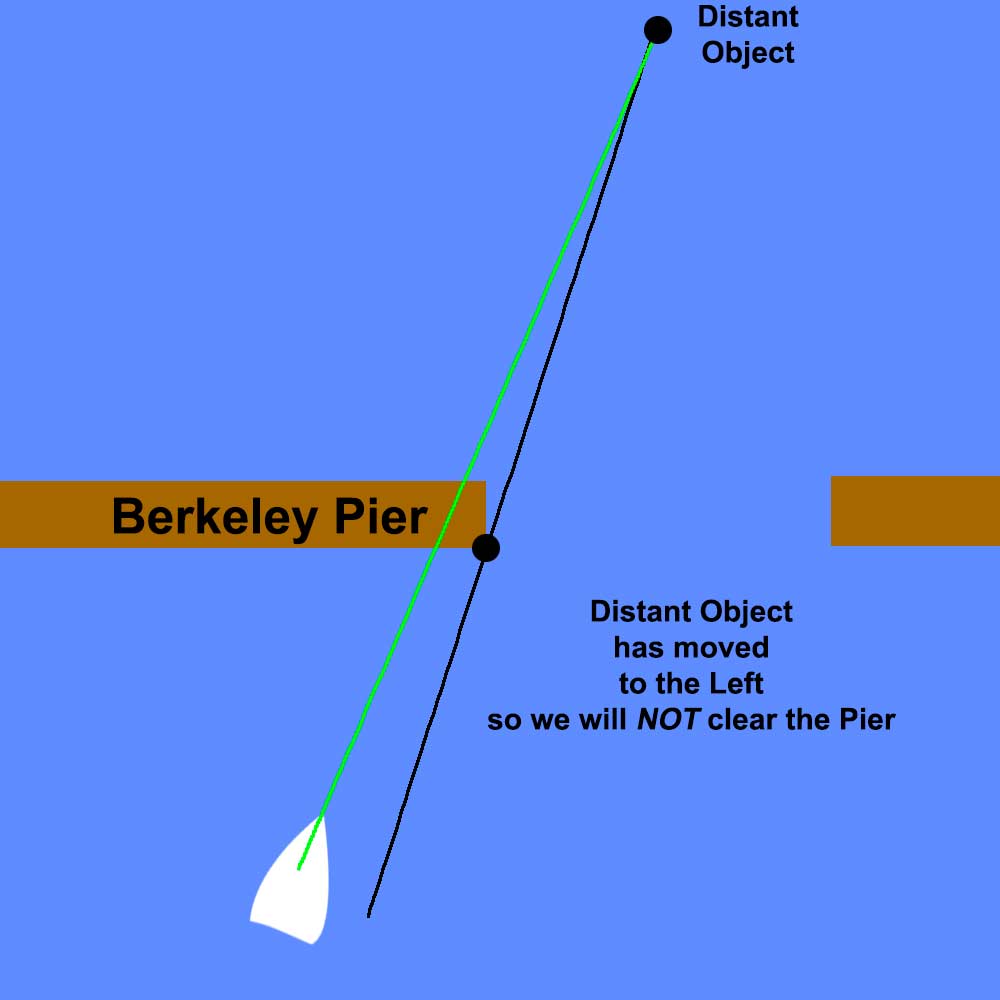
Pier Range Setup
Pier Range to Right
Clearing the Pier Setup
Clearing the Pier Right
Clearing the Pier Left

What is Ranging?

Ranging is a simple technique useful in all types of boating to determine whether you are sailing a straight course over ground or are being pushed one way or another (by leeway or current). It is also useful to tell you whether your current course will allow you to clear an object (get through the gap in the Berkeley Pier, say).  And more.

The basics are described in Part 1, which describes how to use it crossing a channel with current to maintain a straight course across.

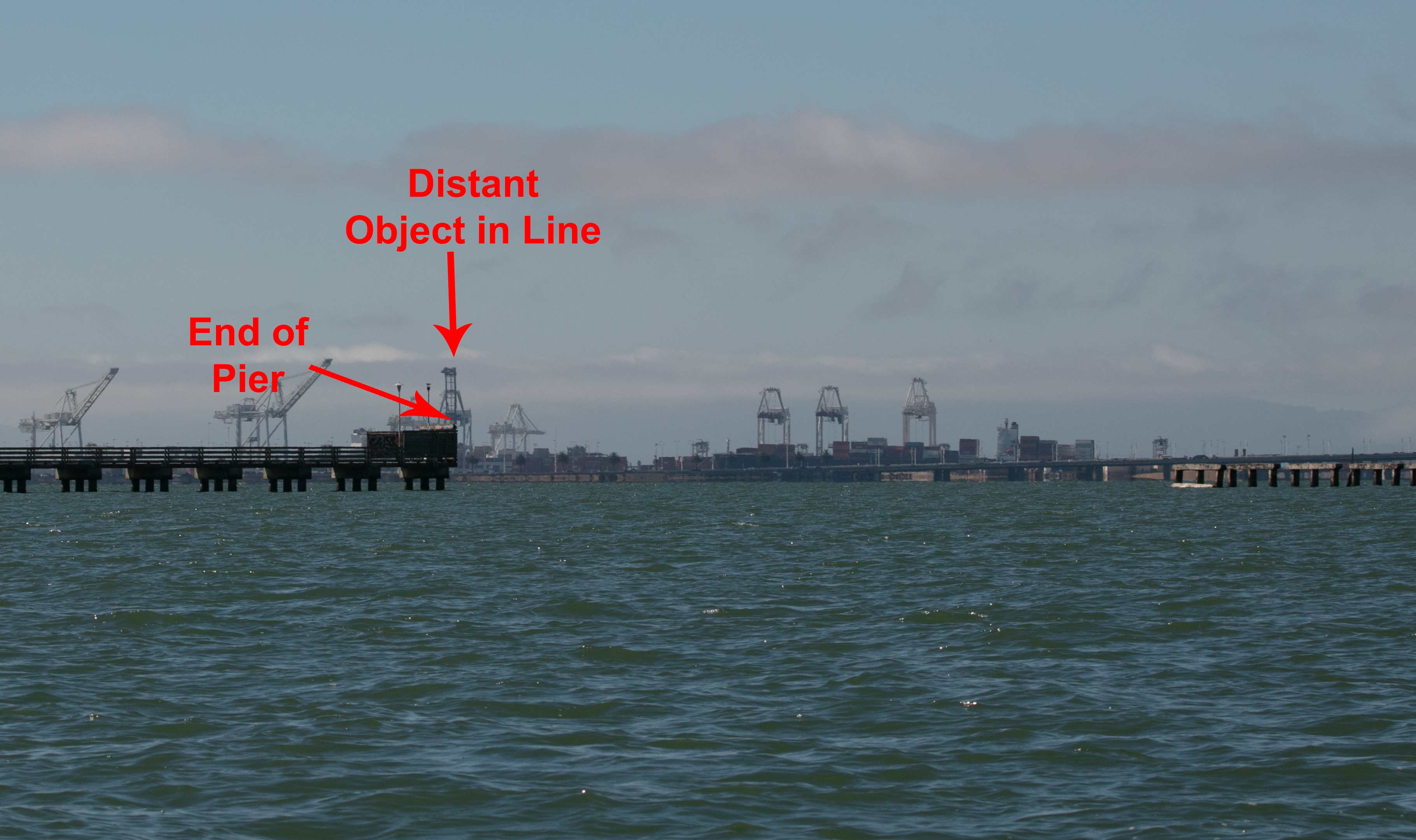
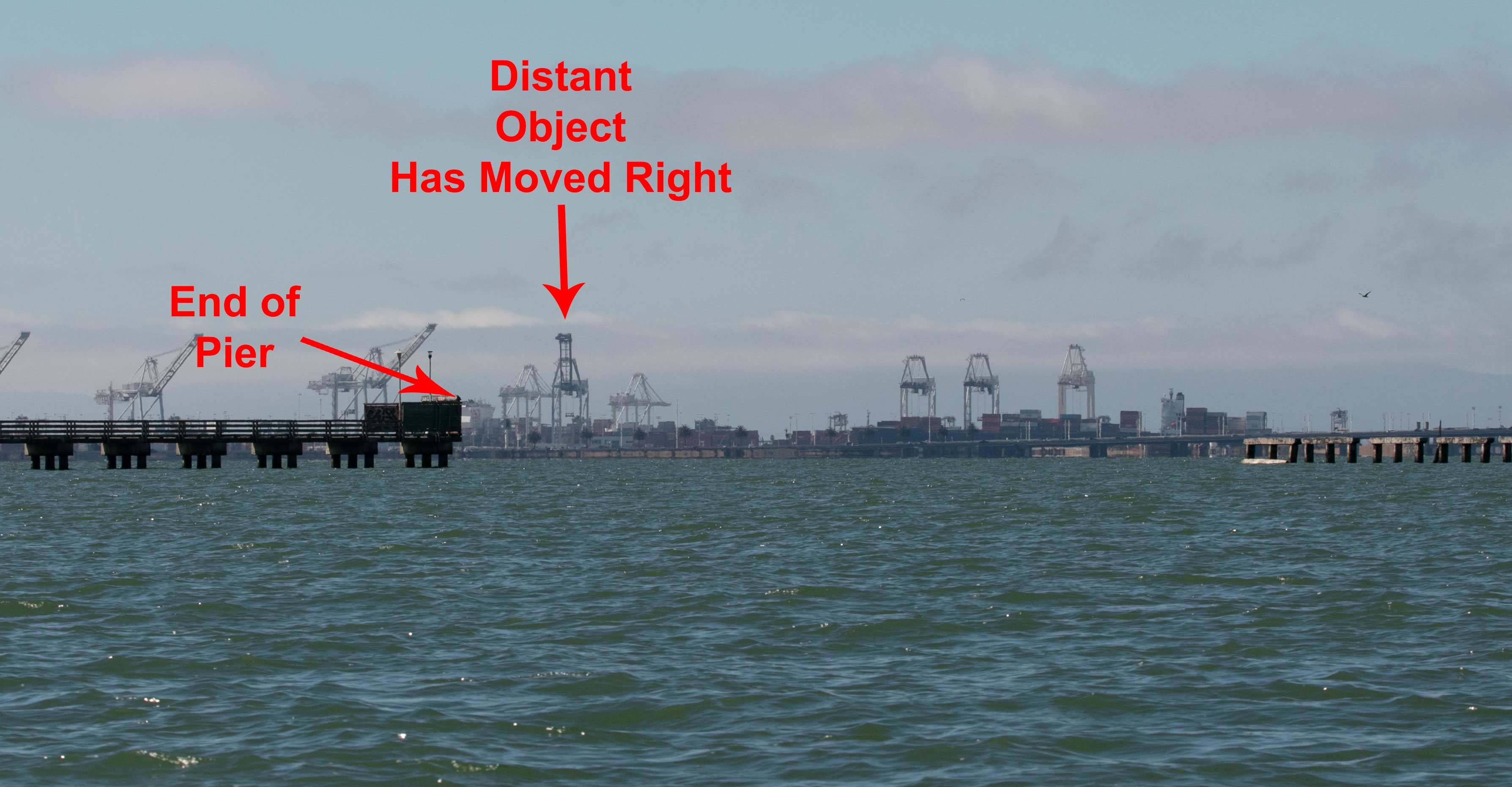
The idea is that you pick a close object and one directly behind it farther away. As you go toward the close object, how the two objects line up tell you whether you are on a line passing through them, and if not, whether you are to the left or to the right of that line.

Another Use

Part 1 illustrates the principle, but it has much wider application than crossing a channel with current. For example, it can show you your course relative to an object.

Will You Clear the Gap in the Berkeley Pier?

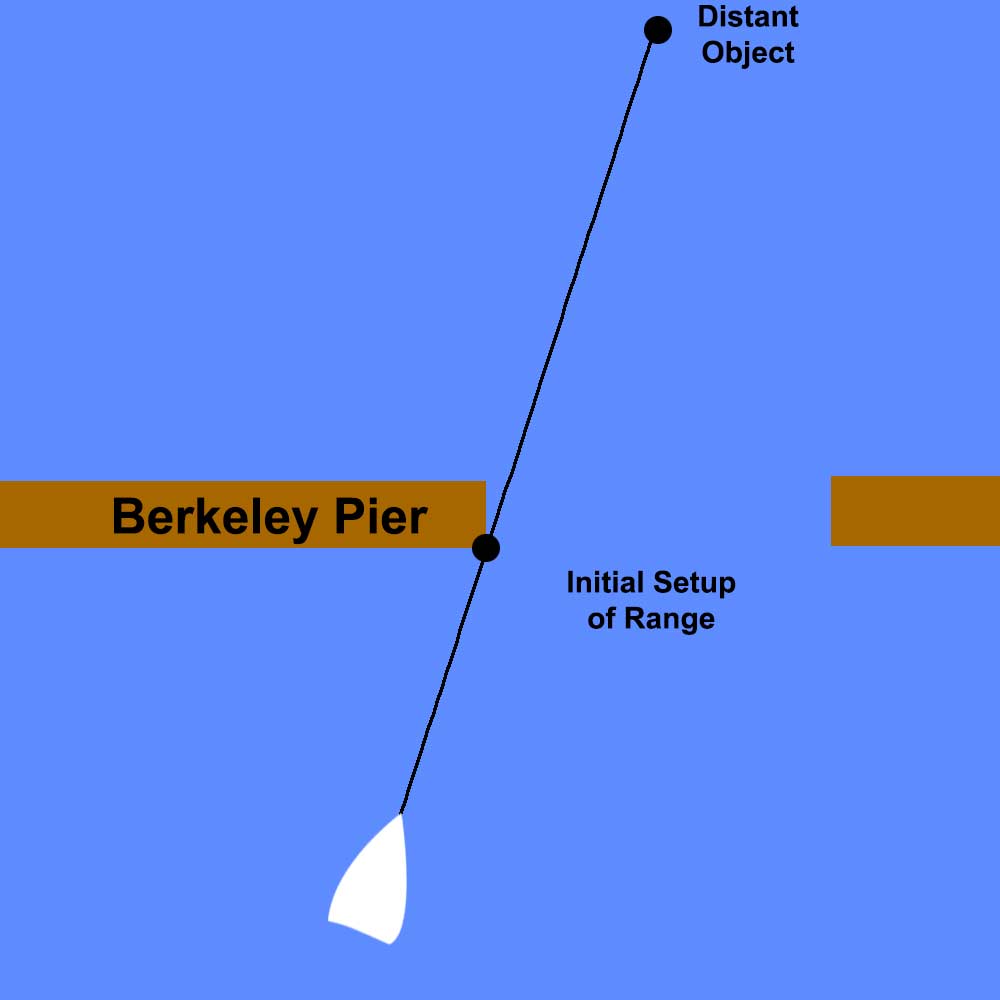
Say you want to take your boat through the gap in the Berkeley Pier. You can use ranging to tell whether you'll make it on this tack. With a normal West or South West wind, you'll want to clear the east part of the gap (the west end of the first section of the pier). So pick that as your target and pick something in the distance directly behind it as the second object (in Richmond or in Oakland, depending on which way you are heading). The range will tell you whether you will clear the east part of the gap.

Continue reading
  4294 Hits

Ranging - Part 4

Plotting Screen 1
Plotting Screen 2
Plotting Screen 3
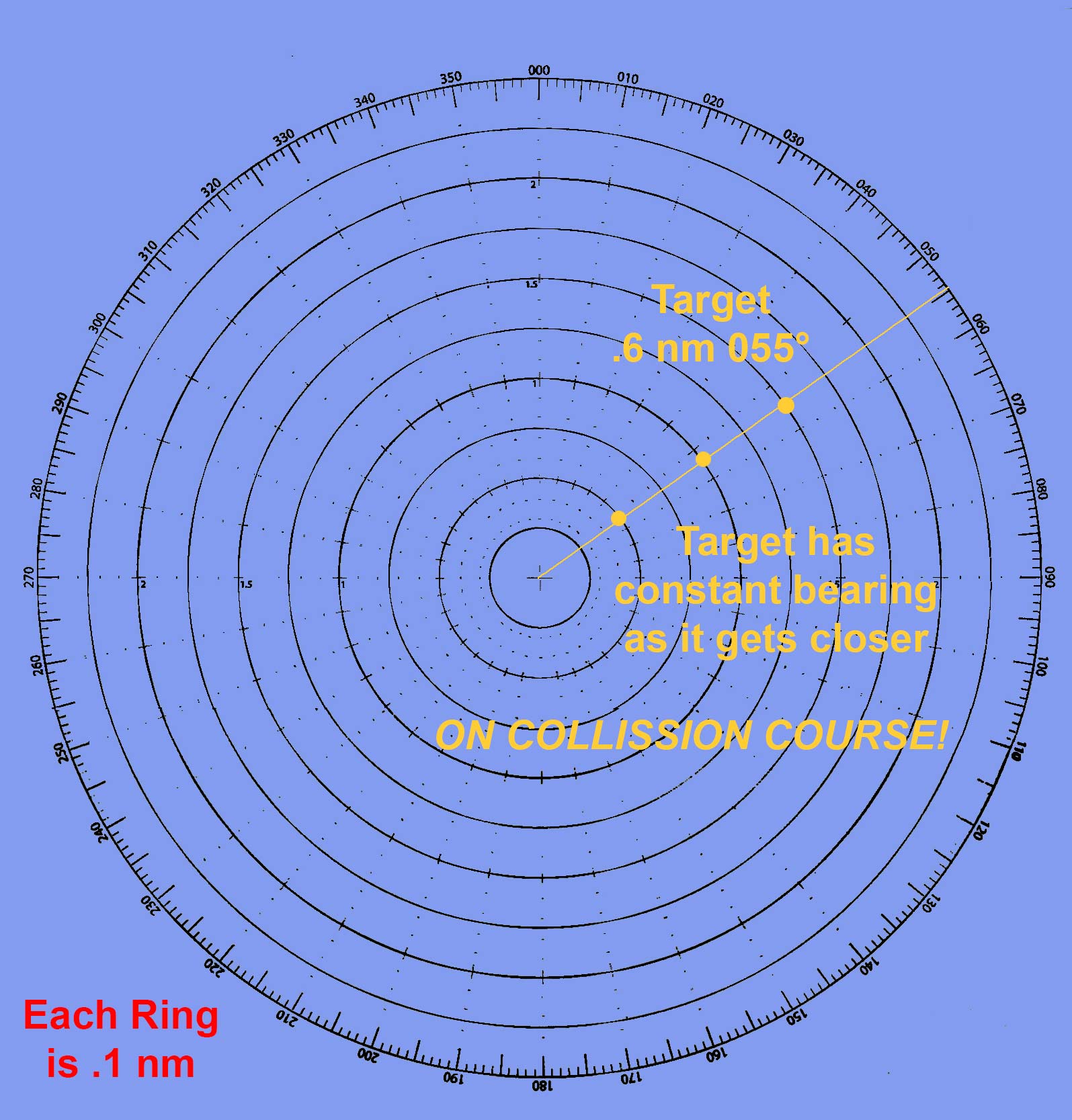
Collision Course 1
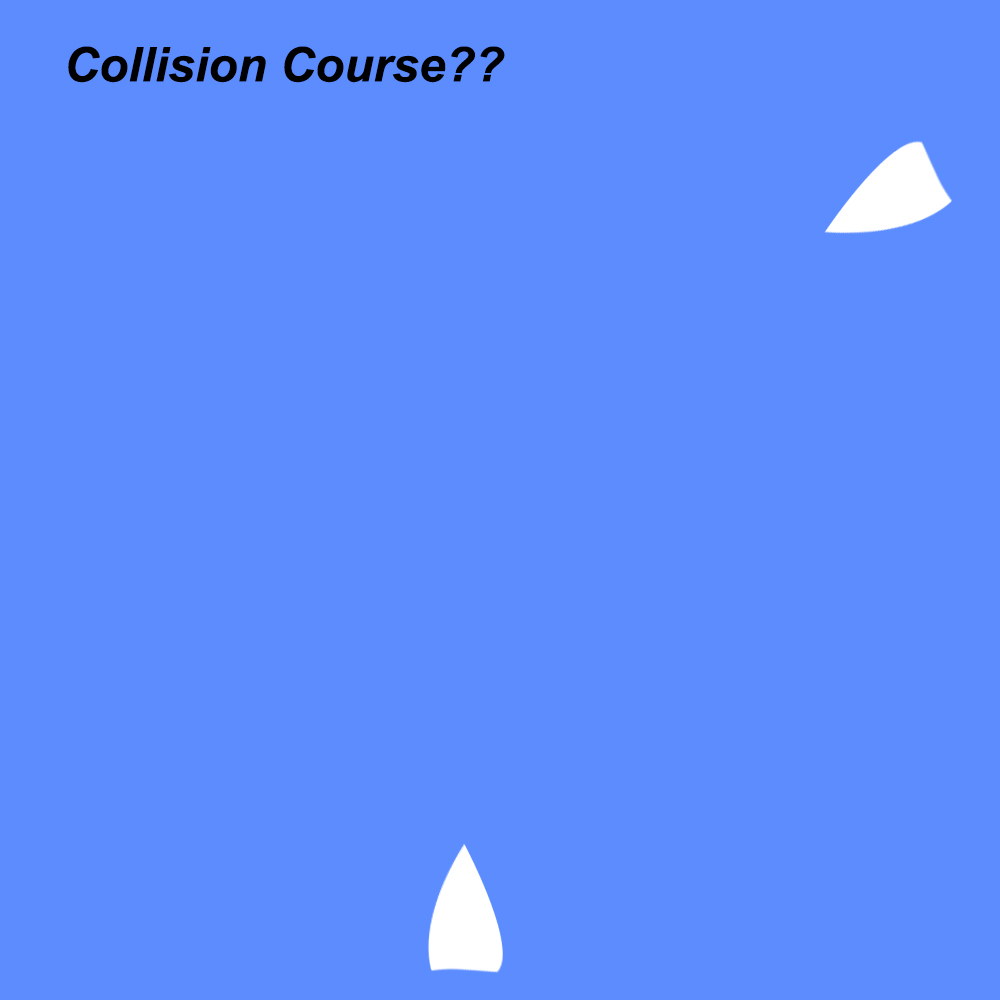
Collision Course 2
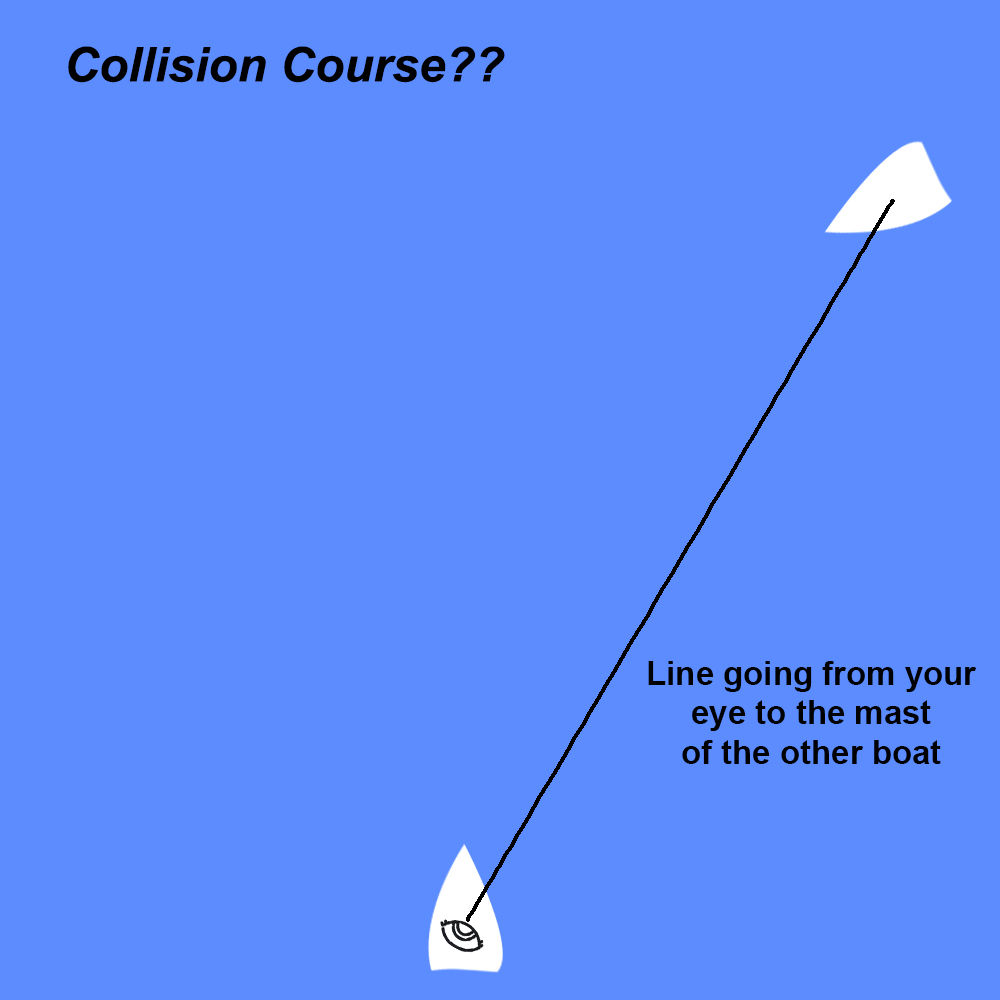
Collision Course 3
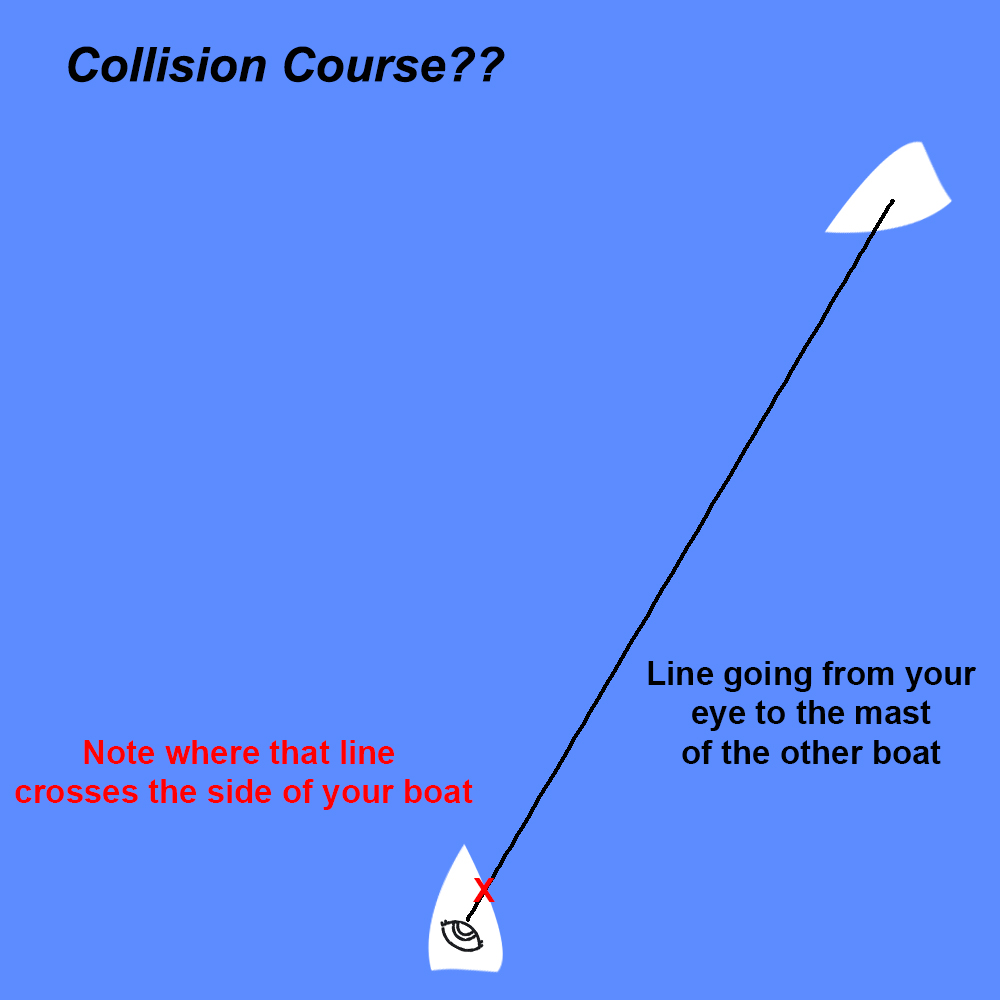
Collision Course 5

What is Ranging?

Ranging is a technique useful in all types of boating to determine whether you are sailing a straight course over ground or are being pushed one way or another (by leeway or current). It is also useful to tell you whether your current course will allow you to clear an object (get through the gap in the Berkeley Pier, say).

The basics are described in Part 1, which describes how to use it crossing a channel with current to maintain a straight course across. Part 2 shows ranging to determine whether you can clear an object, and Part 3 shows how to use it to determine your position in certain cases.

This time we’re going to use a variant of it to answer the question "am I on a collision course with another boat?"

Oddly, we’re going to start with how you use radar to do this. I say “oddly” because none of our boats have it, but the principles you use for radar apply here also.

Using Radar to Answer the Question

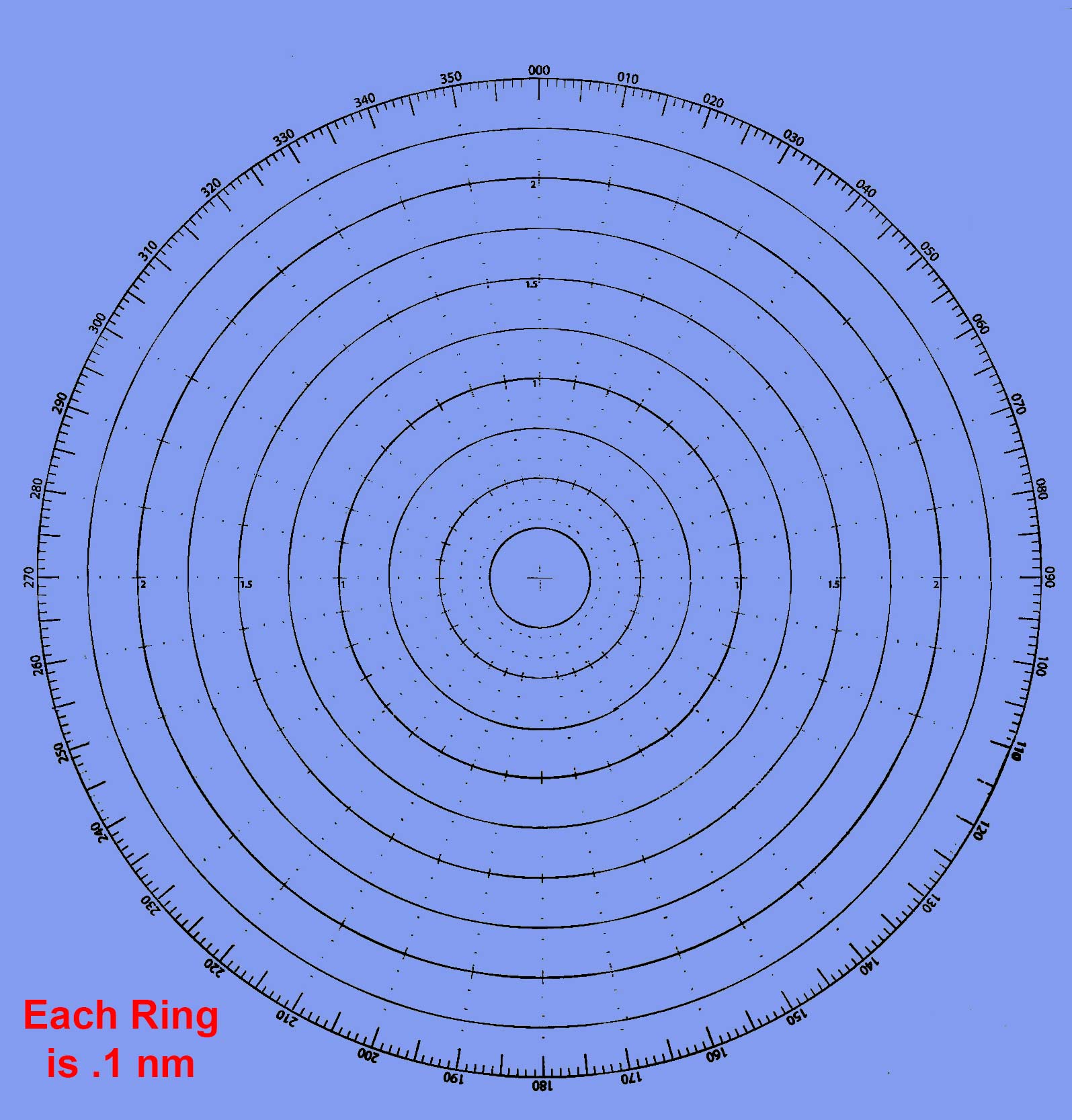
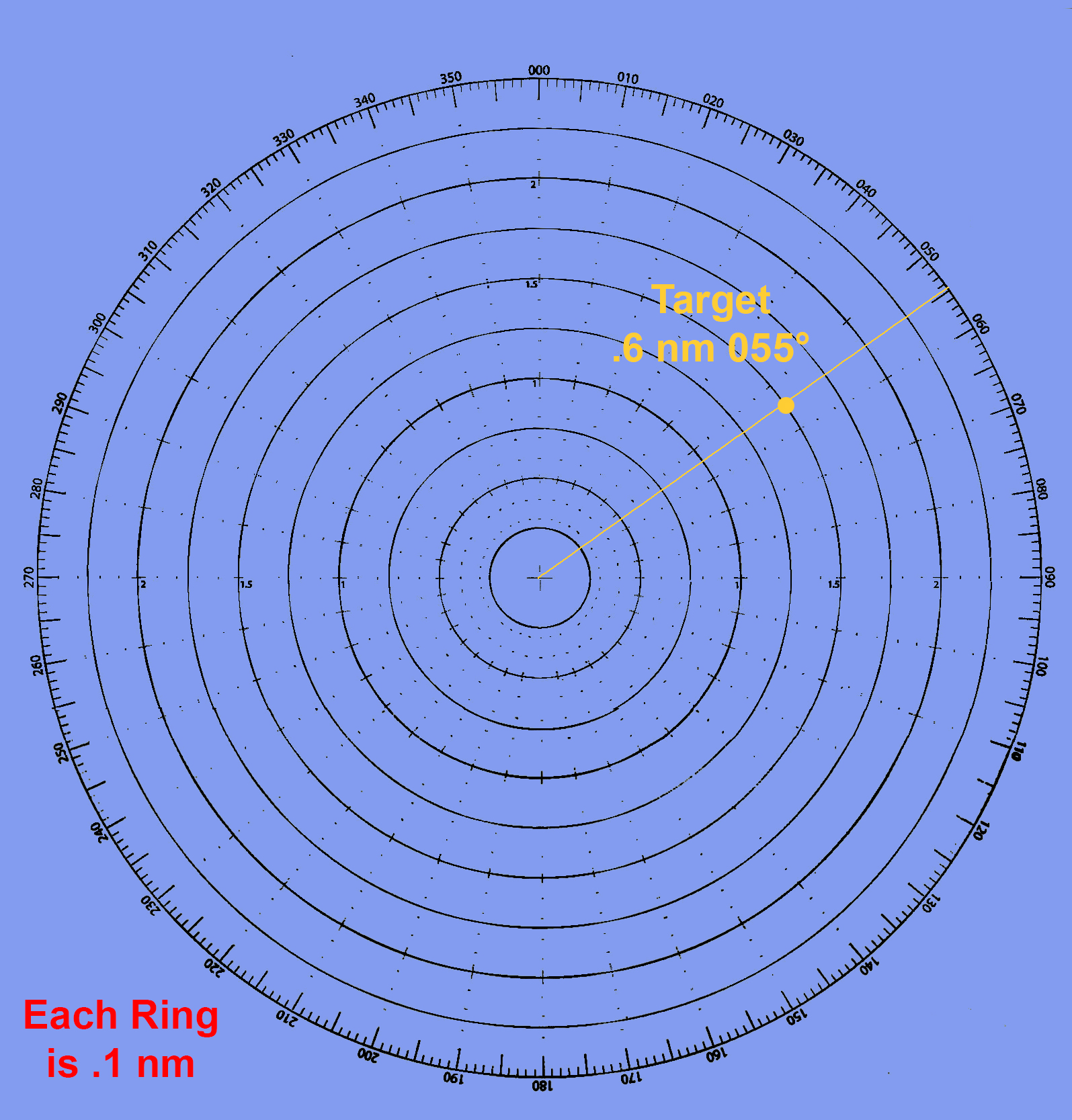
Marine radar can be used to determine whether you're on a collision course. Radar will tell you two things about another boat (a target) – its distance from you and its bearing  (simplifying a little, this is the compass bearing from you to the target). A radar set looks like this, roughly:
Continue reading
  4377 Hits

Ranging - Part 3

Junior Area
Inside Junior Area
Outside Junior Area
Junior Area Ranging
Senior Dinghy Area
Senior Dinghy Area with Ranging 1
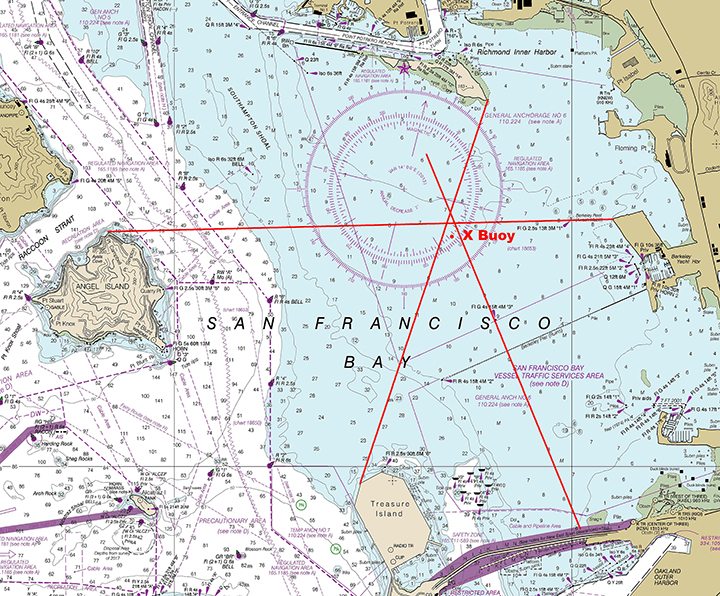
X Buoy
Senior Area Boundary with Ranging 2
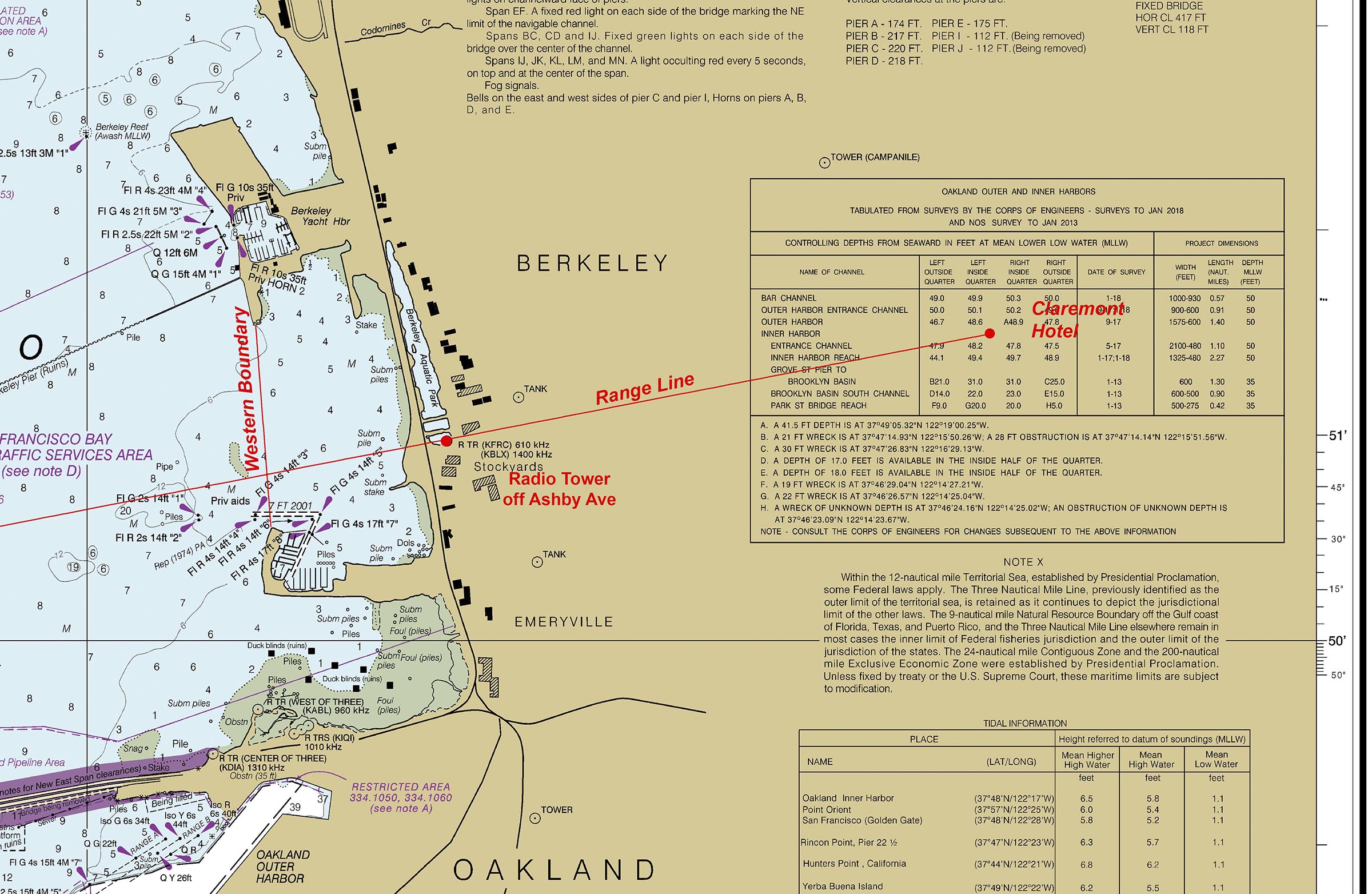
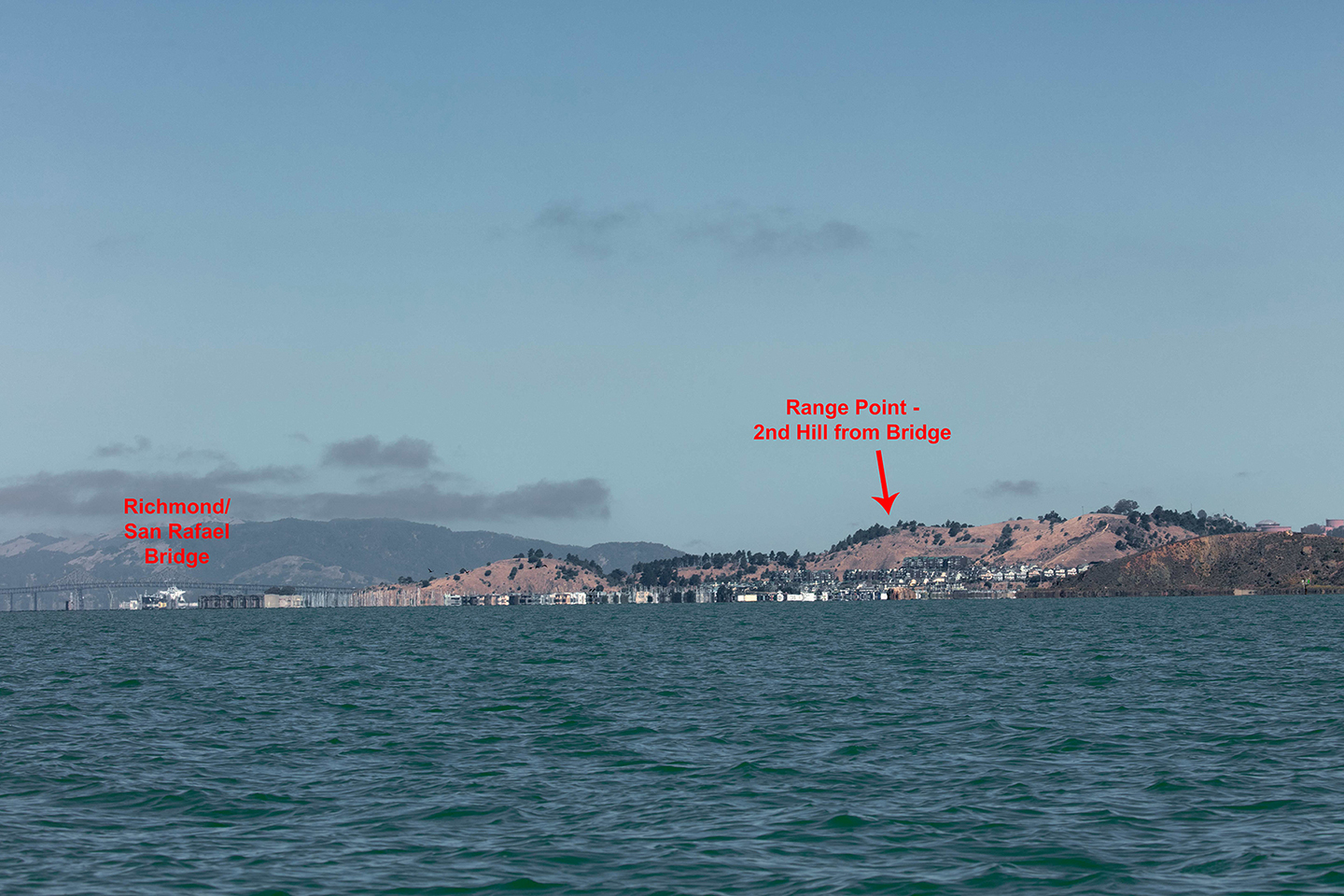
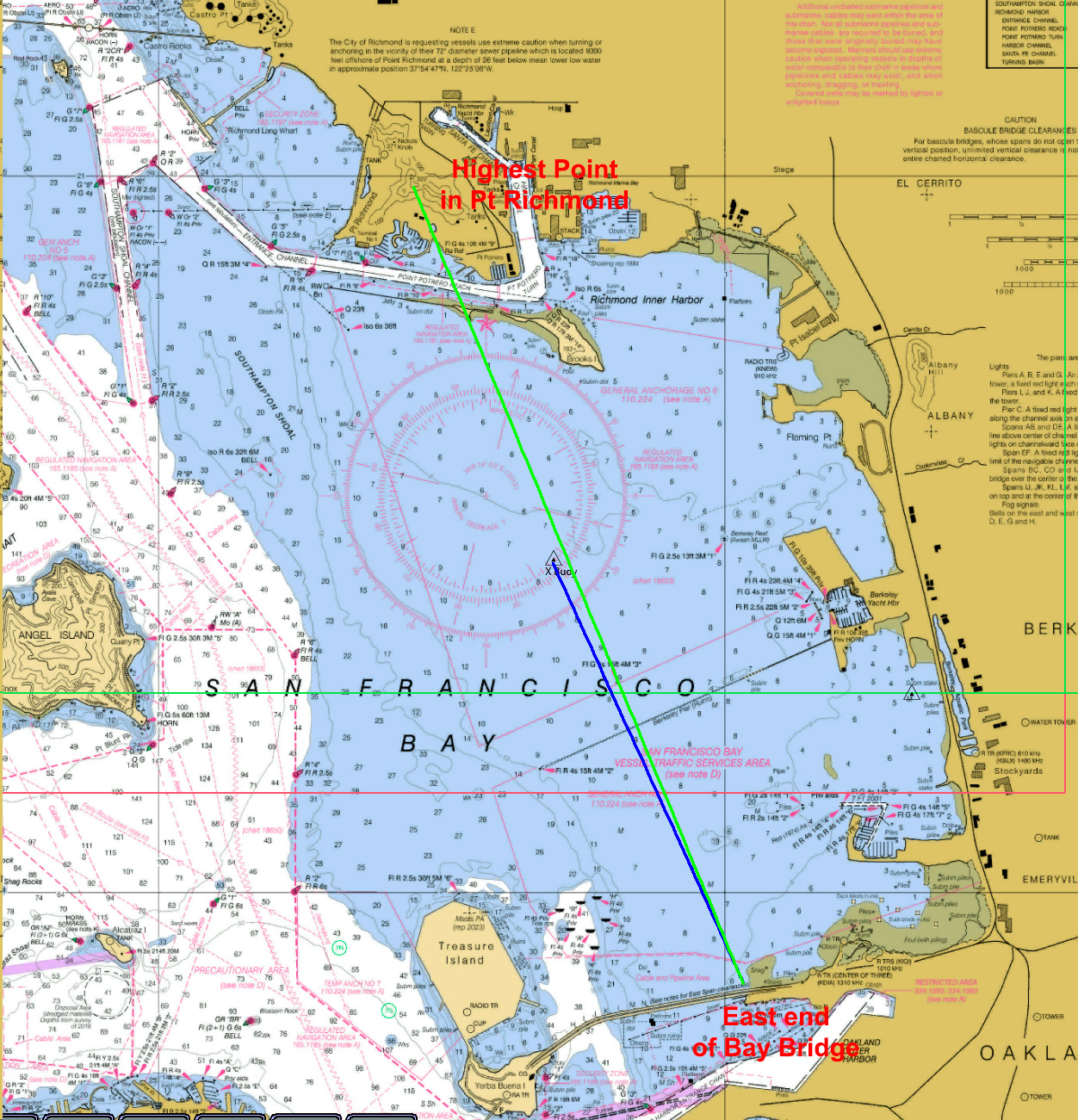
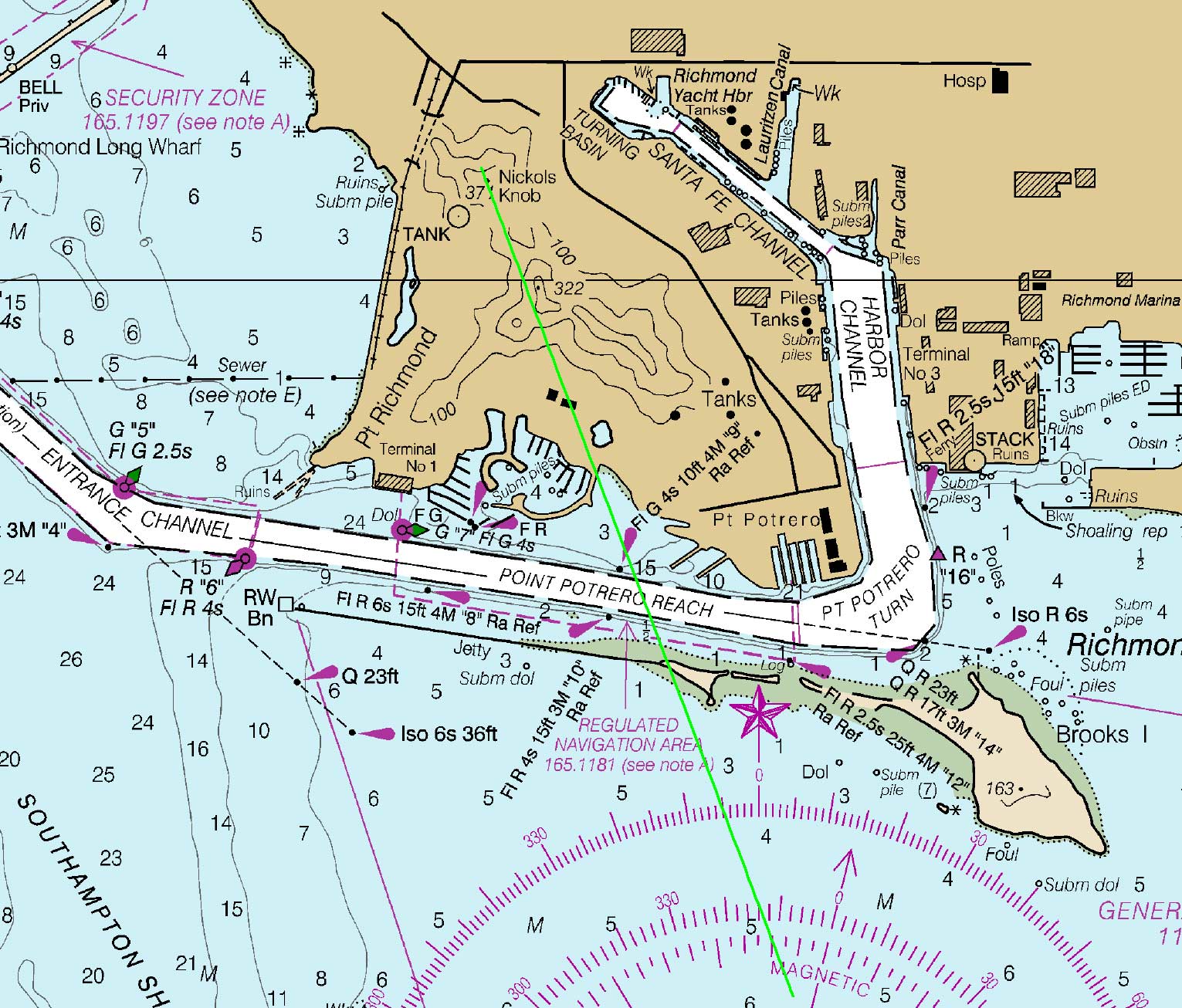
Pt Richmond
Richmond Range Point

What is Ranging?

Ranging is a technique useful in all types of boating to determine whether you are sailing a straight course over ground or are being pushed one way or another (by leeway or current). It is also useful to tell you whether your current course will allow you to clear an object (get through the gap in the Berkeley Pier, say).

The basics are described in Part 1, which describes how to use it crossing a channel with current to maintain a straight course across. Part 2 shows ranging to determine whether you can clear an object.

Another Use

You can also use it in certain cases to determine your position. I’ll give three examples which are useful to Club members, relating to Junior and Senior Dinghy area boundaries. This series of blogs was inspiried by a question from a fellow Senior about how to determine whether we were in the Senior Dingy area.

This post is a bit long, but it’s just several useful (I hope) examples of how to use this in practice.
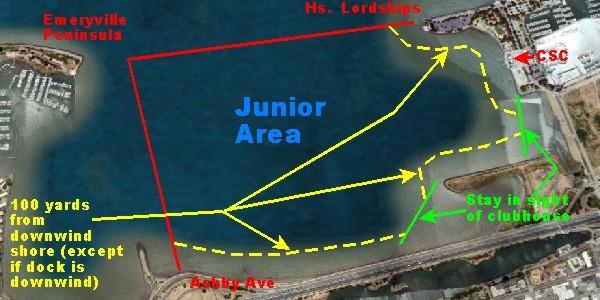
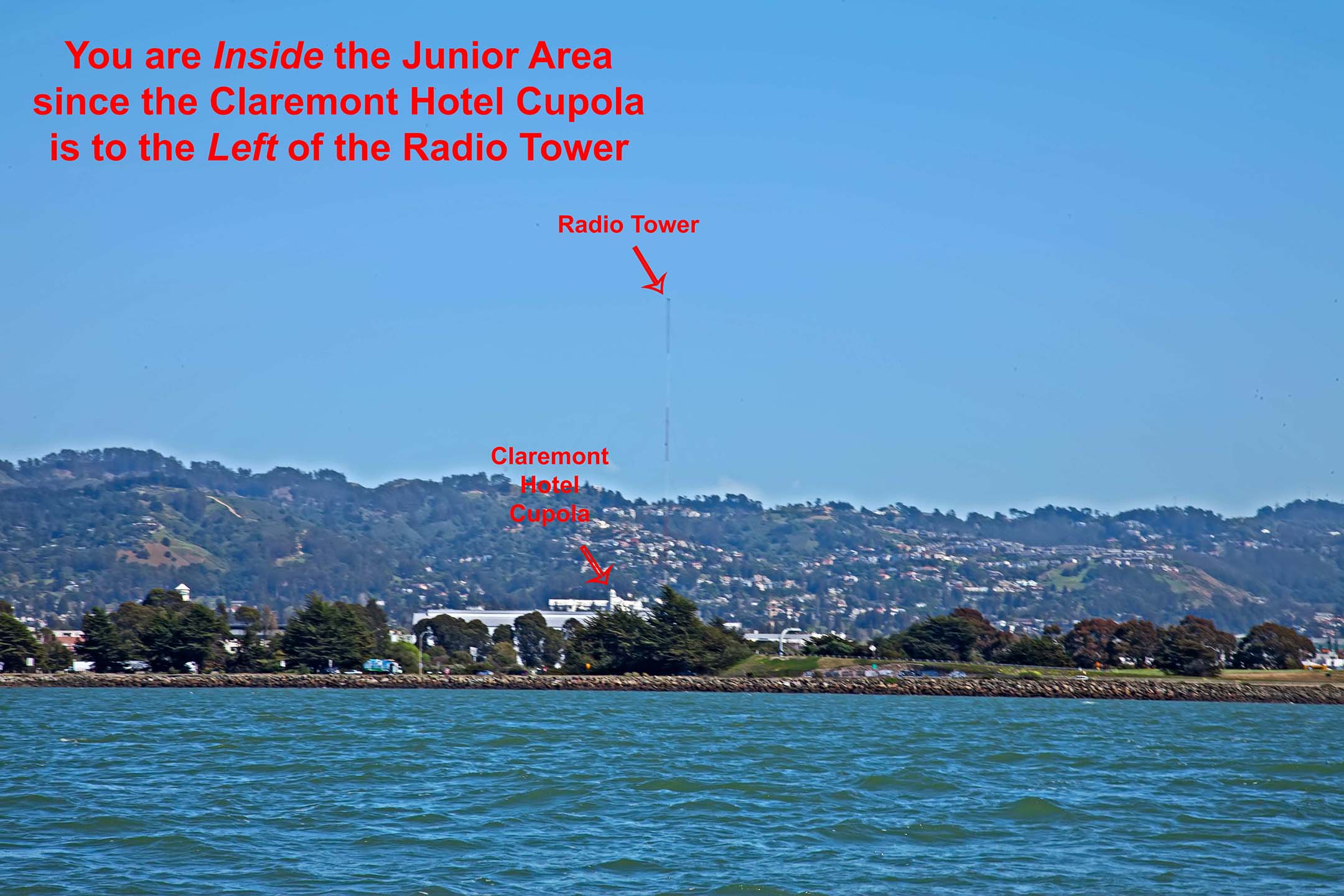
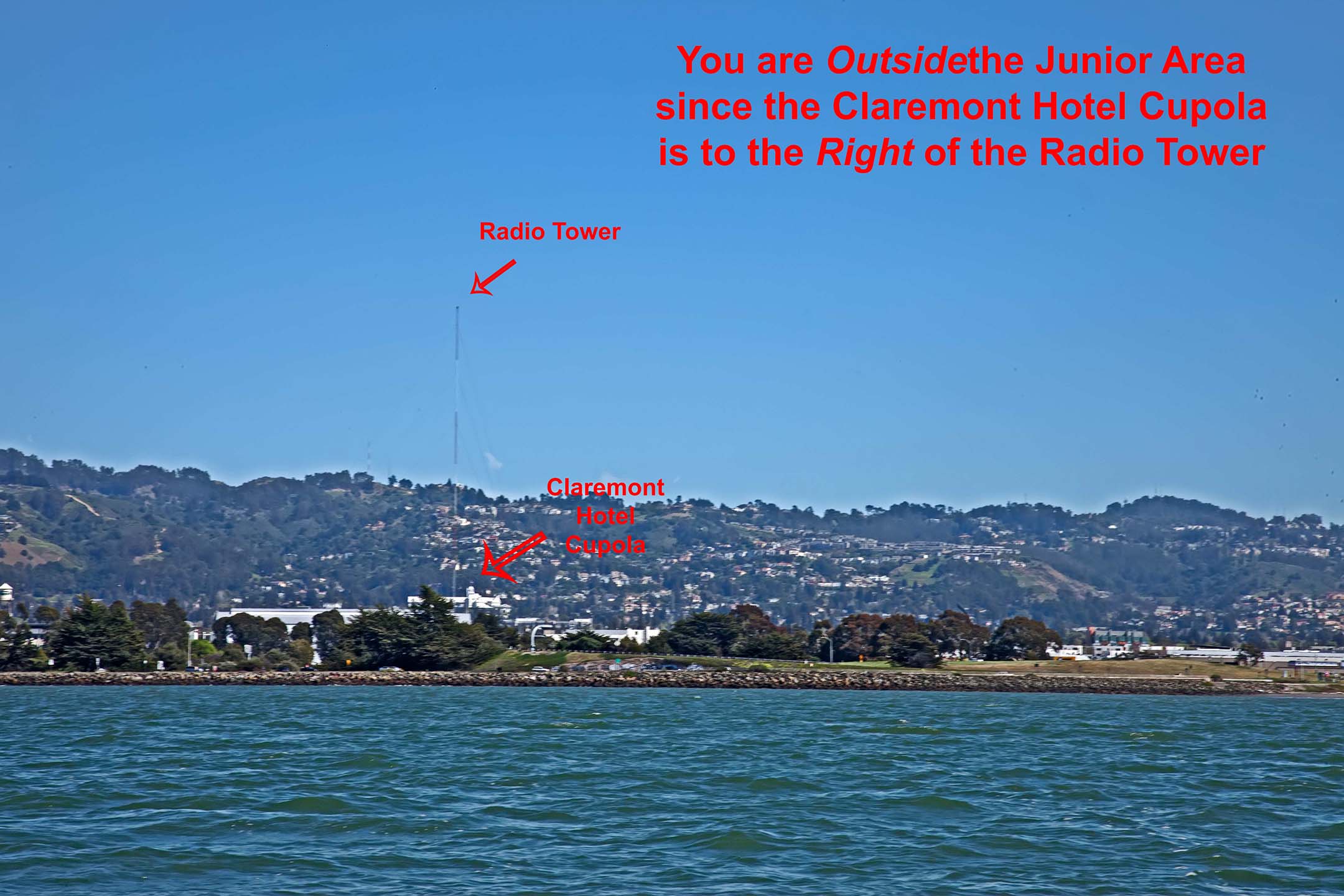
Am I in the Junior Area?

This is the Junior area (from the Club ORs)

Continue reading
  4379 Hits

Slow sailing Trio: Crew Overboard, Docking, Departure - a Problem Set

Some skills are better-learned with a combination of dry-land and on-water practice. Here is a hands-on problem set for crew overboard, docking, and departure -- with instructions and answer keys! Print them out, doodle over them, plan your course and respond to tricky scenarios all from the comfort of your home. Once you head out onto the water, you'll probably find yourself with a clearer picture of what's going on -- and can better respond to more variables such as shifting winds and choppy waves.
Download the documents here:

https://drive.google.com/drive/folders/1co7MPIIlsv-YKrYTyxHhC9tsruS3wv15?usp=sharing

Comments and edits are always welcomed.


Continue reading
  7699 Hits

Teaching Upwind Sail Trim - Another Approach

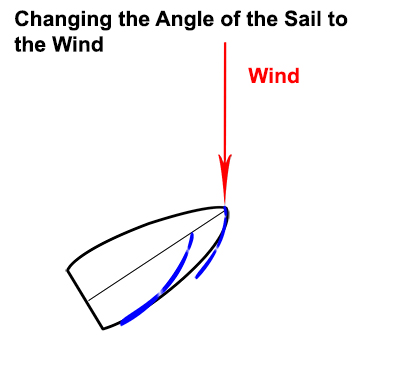
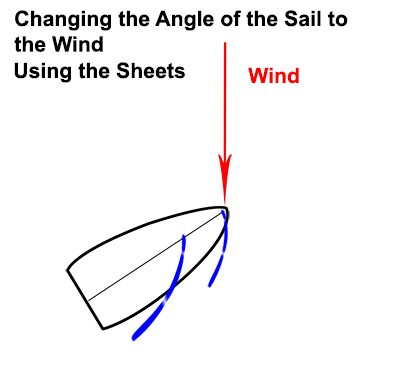
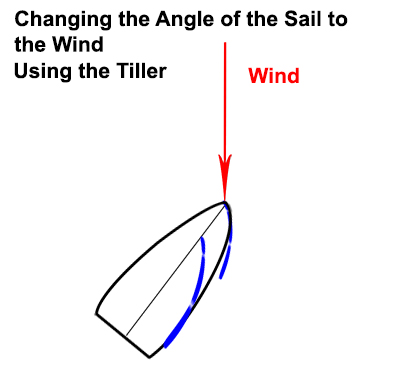
Changing the Angle of Sail to the Wind
Changing the Angle of Sail to the Wind Using Sheets
Changing the Angle of Sail to the Wind Using Tiller

The most difficult maneuver to learn for Junior is the small circle, but the most difficult general skill to learn  is upwind sail trim. I have tried a number of ways to teach this, but until recently I haven't found a really good one. Like everything in teaching sailing (or anything else), different techniques work for different students, but there seems to be a really wide range here of what works for whom. For teaching sail trim, each of the methods I've tried have worked well for some, but not many students. After enough time on the helm, they'll  figure it out, but I've been looking for something to make it click faster.

I've even written a blog on it:

https://www.cal-sailing.org/blogfrontpage/recent-blog-posts/entry/teaching-upwind-sail-trim

But not everyone learns by reading about it.

What I'm trying now looks promising, though, so I'll go over it here.

Continue reading
  7180 Hits

"Boat on a Rope" Demo of Rudderless Technique

Boat on a Rope

Land drills and demos are things we don't do enough, as we focus on instruction on the water. But they can be very powerful additions to our program.

Here's a great example, Boat on a Rope.

As you get more advanced, you're learning how to control the boat with multiple controls, not just the tiller. A very powerful technique is boat lean.  It's easy to describe - if the starboard side is down, the boat turns to port, and vice versa. I taught kayaking for 10 years, and in a closed deck kayak, if you want to turn left, you lift your left knee, and vice versa. But it's one thing to talk about it, and another thing to see it in action.

Here's the demo. You take a boat that's not rigged and put an extender on the bow line. In a light wind day, you might rig a long line to the stern. You want a pretty large person in the boat to do the demo. You can do this in a Quest, but it will be easier in a JY. Let the wind blow the boat from our dock toward the middle dock (or pull it there with a stern line in lighter wind), then pull really hard to move the boat toward our dock. Once it's moving fast, let go.

The first time, you want the person in the boat in the center (left-right), but the second time, you want them on one side or another, really leaning the boat. The first time students should see the boat go pretty straight, but the second time they should see it move decisively away from the side of the boat that is leaning down.

Continue reading
  8176 Hits

Exercise for dinghy sailing

The most useful exercise for dinghy sailors is chin-ups. About the only time you need strength while dinghy sailing is after a capsize, pulling yourself back into the boat, pulling someone else back into the boat, climbing to the up side gunwhale, either on the inside or the outside. And occasionally pulling someone out of the water and onto the dock. (All the other skills needed for dinghy sailing have to do with balance, reaction time, flexibility, and technical skills for things like sail trim.)

               Initially, chin-ups may be hard, or even impossible. When I started I could barely do three, and not from fully extended to chin above the bar. Eventually I worked my way up to about 20, though not with very good form. When you start, at first your muscles don’t get bigger – they just rearrange themselves internally to better perform the work demanded of them. If you keep it up, and keep your protein intake adequate, they will get bigger too.

               When you do them, keep your palms facing away from you and your hands at about shoulder width (the woman in the picture has her hands just a little too far apart). After all, this is the configuration you’ll employ hauling yourself in over the transom, and not far off from when you’re pulling someone in by the shoulder straps of their PFD. Exercise every other day, since muscle tissue takes about 48 hours to rebuild after the stress of the exercise. Just pull yourself up as far as possible, even if it’s only an inch. No matter how many you can do, keep going until you’ve exhausted yourself to the point that you can barely raise yourself at all. Exercising your biceps to exhaustion strengthens them fastest.

               About the only other physical capabilities you need are flexibility and, occasionally, the ability to work to exhaustion. For flexibility, squatting is the most common stress you’ll put on your joints. Bending, twisting, etc. are obviously moves to cultivate. Endurance might come up if you have to fight a capsize in 20+ knot wind and three-foot waves, and if this interests you, look into HIIT (High Intensity Interval Training). But your ability to pull yourself in and up the boat is much more often going to be put to the test.

               When you can post-capsize recovery pull yourself over the transom of the boat as the skipper thoughtlessly sails it away, think about a Senior test, if you’re not already there.

  10191 Hits

Why controlled gybes are important

whoops-gybe

I've had chance recently to sail with some skippers that did uncontrolled gybes, on purpose.  As in, that's just how they gybed.  We're going to unpack a lot here.  What is a controlled vs uncontrolled gybe?  Why does it matter?  What can go wrong with an uncontrolled gybe?  Before we can even define controlled vs uncontrolled, first I want to talk about different types of gybes and when they're appropriate.  But before we can do that, first we need to talk about two different modes of sailing: planing vs non-planing.

We'll keep this quick and simple.  Non-planing is the "normal" mode of a sail boat, and especially most of our boats, most of the time.  The boat is pushing its way through the water, reluctantly and (relatively) slowly.  The dinghies we learn and teach on operate in this mode, except for in extreme and exciting circumstances.  When you get into more high-performance boats, like our RS500, they are made to plane, which means they pop up on top of the water and, almost literally, start flying across the top of the water.

Why is this relevant to gybes?  Because you gybe these two types of boats very differently.  On a planing boat, its fastest point of sail is, by far, on a broad reach.  And often you're flying a gennaker, because that's what they're made for, so you're moving at near (or above) wind speed.  To gybe, you go from a broad reach at really high speed and drive down fast onto a dead run, at which point the apparent wind drops to almost nothing (because you're still planing and moving fast). As you keep turning through the wind, you just let the main sail flop over on its own, because there's very little pressure on it (pressure on the sail is determined by wind speed minus your speed.  i.e., apparent wind speed).  Then you keep turning up onto the new broad reach, maintaining your speed, and continue on your very merry way (or you don't do everything perfectly and you capsize, but ssshhh we don't tell people about those).  This is often referred to as a racing gybe, as you're doing it at high speed and with minimal loss of speed.

But on a non-planing boat, or more accurately, on a boat in non-planing mode, you want to gybe differently, which is from a stable dead downwind course.  This is how we generally teach gybing in our lessons.  Get on a dead run, grab the main sheet falls and pull the main across.  Here is how I like to teach it.  Now, what you DON'T want to do is perform a racing gybe when you're not planing – which would be an uncontrolled gybe.  Let's talk about why this is significant.

Remember, the reason a racing gybe works on a boat that's planing is because the force on the main is fairly low, so the actual flop of the gybe is relatively gentle.  But if you're not flying downwind at high speeds with the kite up, the force on the main sail is much higher (due to the higher apparent wind), so if you just turn through a downwind course and let the wind catch the back of the main and flop it across the boat, it's going to do so with MUCH more speed and force.  Several things happen here:

Continue reading
  8688 Hits

The Quick Stop COB Procedure

Maneuver
Maneuver wText

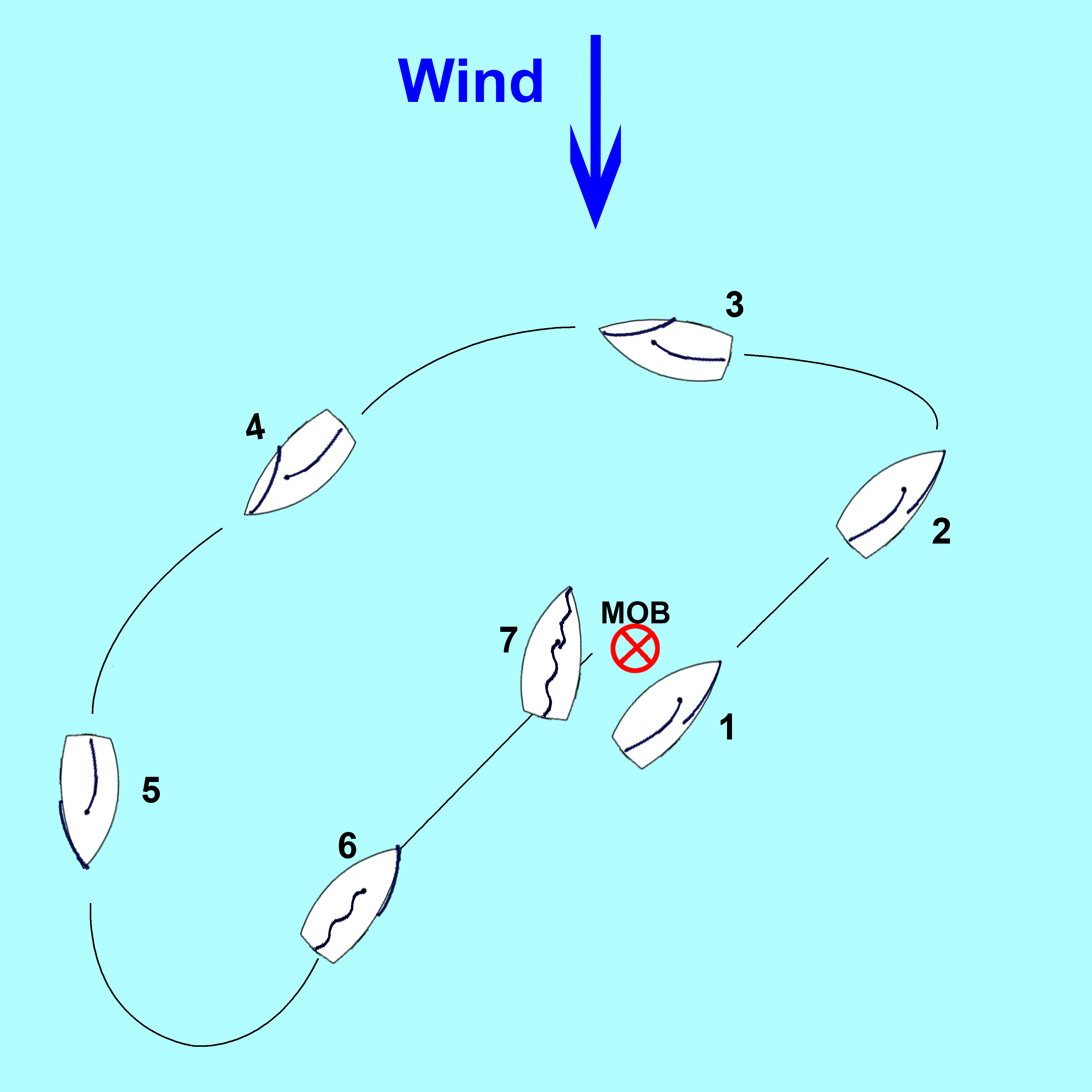
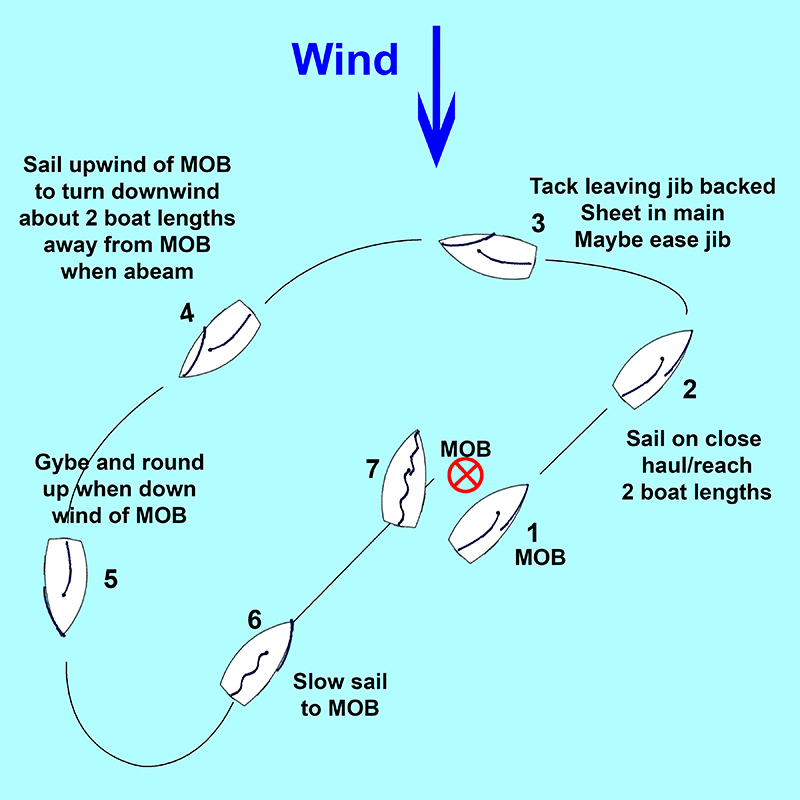
The Quick Stop COB Procedure

There are several COB procedures, each with its advantages and disadvantages. On keelboats, there are more options than on dinghies, as you can  incorporate a gybe into the procedure without too much worry.

As in many aspects of sailing, the best procedure can be hotly debated. As Seamus Venecko famously said, "Ask 10 skippers, and you'll get 11 opinions and a fist fight". Personally, I am not religious about this. I have my favorites, both for dinghy and for keelboat (different), and I can argue their merits. But as a dinghy Junior tester, I will pass someone who can get to a stop right next to the target consistently using a procedure I've never seen before. The results count more than the method.

I want to talk about a procedure that works on  keelboats but not on dinghies, the Quick Stop. It was developed by the US Naval Academy some decades ago when they looked at the various procedures and didn't like any of them, so they invented a new one. What they didn't like was that in the all of the others, you tended to get too far from the COB, and so you might lose them in certain conditions (at night, in heavy seas, or both, exactly the kind conditions where it might happen). So they developed a procedure where you stay very close to the COB throughout the maneuver. This is the Quick Stop, and you'll see a number of descriptions online. I've experiemented with this on our boats (Commander and Merit) in various conditions with various sail plans, and this is what I think will work.

Basically, you tack around and leave the jib backed. Then you do a rough circle around the COB with the main sheeted in all the way, trying to get about 2 boat lengths away when you are going downwind abeam of the target. You gybe when you are clearly downwind of the target and round up hard (main is still sheeted in at this point). Then you blow the mainsheet and slow sail to the COB, which should be a boat length or so away.

Here is a diagram.

Continue reading
  12566 Hits

The Very Useful Highwayman's Hitch and Departing Single-Handed

The Highwayman's Hitch is a wonderful, special-purpose knot. It is useful when you need the boat tied up for a short time, and you need to undo it quickly from a distance.

I use it all the time putting a boat into the water by myself with the hoist, but it is also useful when you are doing this with a helper in low tide. In that case, you generally lower the boat with the bow line either secured to the ramp or held by someone on the ramp. Then you have to get the line down to the dock to secure it there.

How do you do that? The wrong answer is drop the line and run around a get it, as the boat should be under control at all times. If the tide isn't too low, you could tie it to the ramp low enough to reach up and untie it from the dock, but that't not always possible. The Highwayman's Hitch is a more elegant solution.

I won't explain how to tie it, except to point to the Animated Knots animation.

You tie the knot around something on the ramp and drop the working end down. You tie it "on the bight" which means you don't need the end of the line to tie it. I just drop the end of the line (the working end) down and tie the knot. When it's tied correctly, it will hold the line to the boat securely, but it will come undone if you pull hard on the working end. So it doesn't matter where you tie it, as long as you can reach the working end from the dock.

Continue reading
  12456 Hits

How (and why) not to anchor

We talk a lot about how, and when, to anchor properly, how and why to check your anchor is stored properly before leaving the dock, and what to do if things go wrong while anchoring.  Hopefully students are getting this talk several times while taking lessons, if not every lesson.  Anchoring can make your life easier, give you time to catch your breath, and save you from ending up on the rocks.

However, one thing we don't talk about often enough, imo, is why you maybe shouldn't be anchoring.  I will preface this as pertaining to junior skippers and above.  Students and novices should be anchoring early and often, for many reasons.  They take longer to deal with situations, and exhaust themselves more quickly in the process, because it's all new.  Newer sailors also tend to have poor positional awareness (where they are in relation to the lee shore, and how fast they're getting blown there).  I will also clarify that I still anchor (albeit rarely).  I check the anchor in case I need it, and re-run it if it doesn't look right.  I throw the anchor if there are problems and I'm getting close to shore.

But once you are a (decent) junior, your goal should be to anchor less and less.  I go so far as to say for me anchoring is a last resort.  I'll start with the why: 

1)  It's exhausting.  I know if I anchor in high winds, by the time I get the anchor back up and put away, I'm probably done sailing for the day.

2)  It takes a long time.  Even if I'm not done sailing, it's a long and arduous process that takes away from sailing.  If the goal is to get back to sailing quickly, anchoring is a bad way to get there.

Continue reading
  8240 Hits

Foiler coming! Safety first, last, and damn they're fast!

There you are, plowing along on a dinghy or windsurf board, when a foiling windsurfer comes roaring up on a collision course* with you, coming from downwind of you, but on the same tack as you.

What to do?  Turns out, the foiler has right of way**, because they're downwind, and on the same tack.  Even though theyre going way faster than you are.

Best move is to head up sharply, to avoid the collision.  If you're lucky, once you head up you'll be on the same course as them, and you will then have right of way because they'll be overtaking you. 

In any event, always do what you can to avoid a collision, and try to forgive foilers for going so fast.

*always keep a careful eye out for anyone on a collision course with you.  Look for others who are getting closer while appearing to stay in the same place relative to objects that are far away (same compass course).

Continue reading
  6012 Hits

Don't be afraid of the radio

Some radio advice for those that hope to start sailing the bay (or beyond).

It's required by Coast Guard that if you have a radio, you have to monitor channel 16.  There are good reasons for this.  But beyond talking to the dayleader for a radio check, we don't actually use the radio much.  On the keelboats, often times we get annoyed by all the chatter on 16 and just turn the radio down, which is understandable.  Usually if we're sailing, we're teaching, and the noise is a distraction.  Add to the fact that whenever we are monitoring, we hear a lot of official chatter that can make using it to hail another vessel, or the coast guard, seem like a big deal, which it isn't.  So spend some time listening to the radio.  Pay attention to how the coast guard talks.  If you're on a cruise or out in the bay near shipping channels, turn on channel 14 (vessel traffic).  You'll hear how the container ships and ferries talk to vessel traffic control about where they are and where they're headed.  That way if you do have to hail the coast guard it won't seem like an unfamiliar and big deal.

I had another opportunity to hail on the radio recently.  We were headed out of the gate and were between Angel Island and Alcatraz.  We had seen a container ship coming from Richmond that was now out of site, and could now see a container ship outside the gate, but couldn't tell which way it was going.  We were about to potentially be in the way of both of them, depending on where they were headed.  So I went to channel 14 and basically just asked 'hey where are these ships going?':

Me: Vessel traffic this is sailing vessel Mariya (not the name of my boat but it's not an easy, radio-friendly name, so I often make something up) on 14.  Do you copy?

VTS: *Hesitantly* Sailing vessel Mariya... this is vessel traffic?

Continue reading
  7012 Hits